Environment

Shark Attack! Should we actually fear the kings of the sea?

Jaws, the 1975 American thriller film directed by the great Steven Spielberg has been hailed as one of the greatest classic movies of all time. The movie begins with a teenaged girl enjoying a swim at a supposedly carefree late night beach party, only to be suddenly pulled underwater to her horrific and untimely demise.
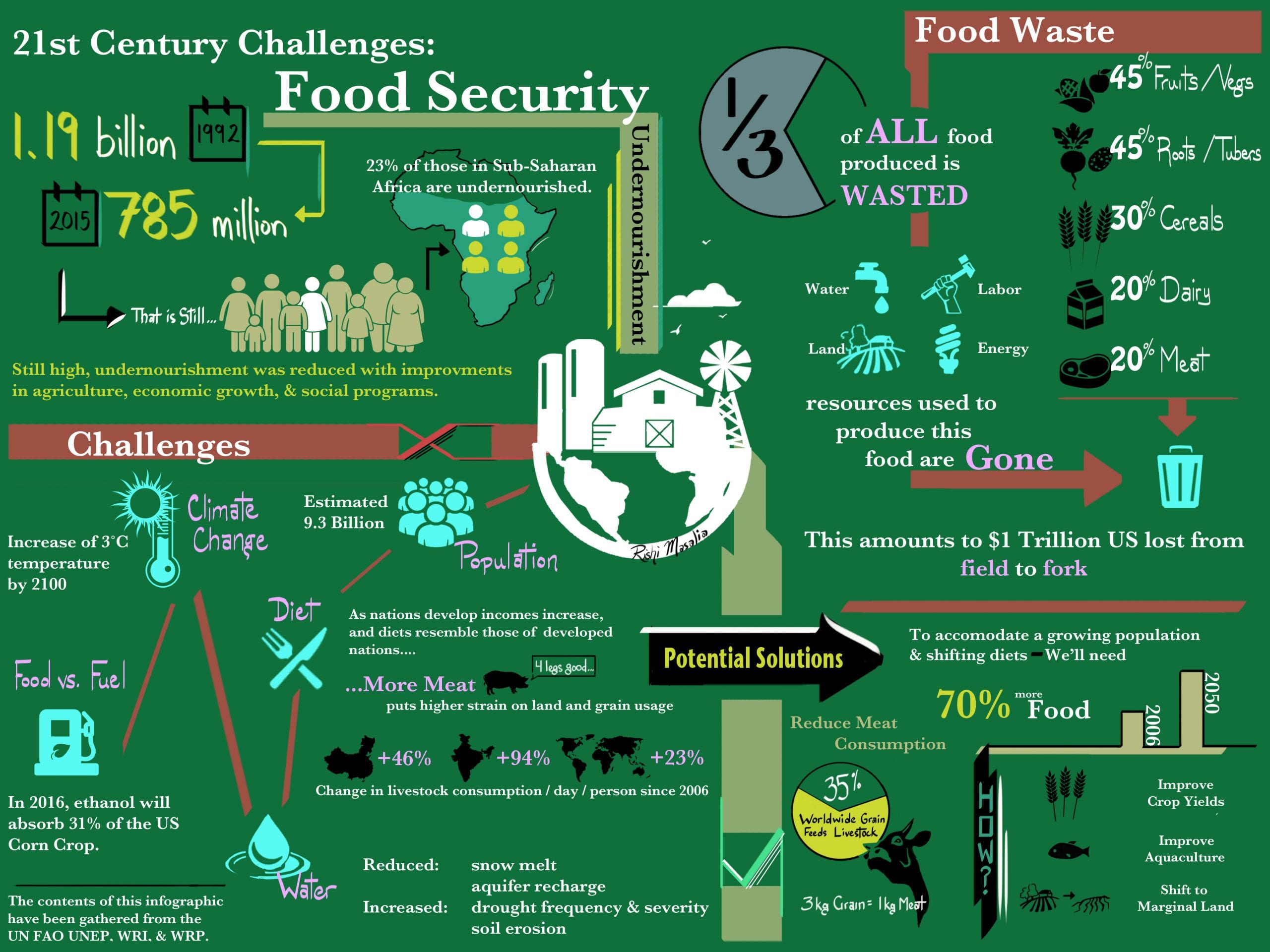
Food Security in the 21st Century

We need to do more, faster. The food crisis is permanently harming millions of children. They need our help. This is about even more than alleviating human suffering; it is about global peace and stability. –Ban-Ki Moon, UN Secretary General, 2009 Globally, we are food insecure. Rampant food waste, coupled with climate change and unrestricted

The Costs of Color: Why leaves change in Fall

by Uma Nagendra It's a big move, turning on the heater. I can ignore the chilly mornings and shrinking daylight for a while, but once the heater is on, I'm no longer in denial that winter is just a calendar page away. For people and creatures alike, winter is a notoriously harsh season. Everyone has

Water in the 21st Century

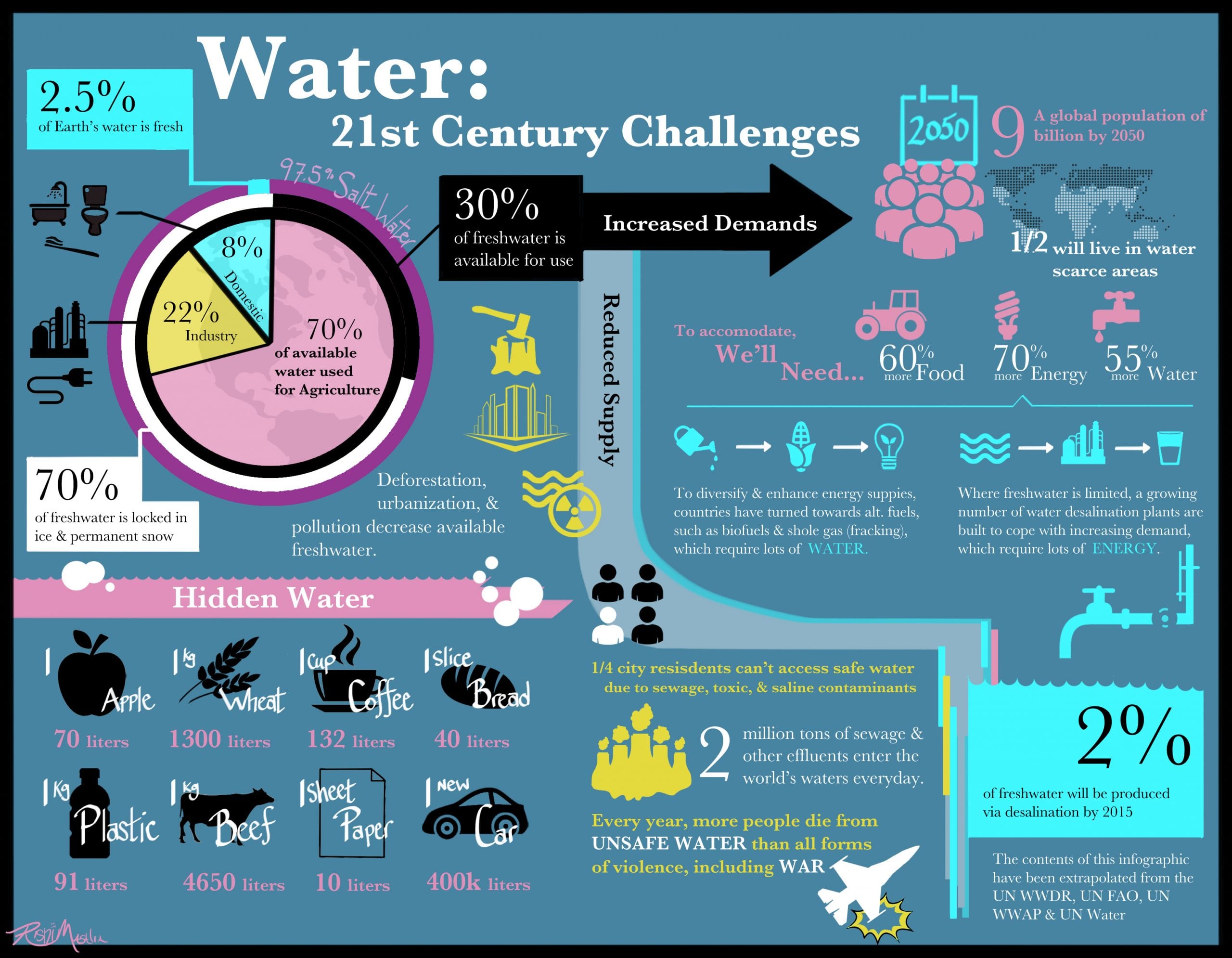
Water holds the key to sustainable development. We need it for health, food security, and economic progress. Yet, each year brings new pressures. — Ban Ki-moon, UN Secretary-General, 2013 The distribution and availability of water are defining features of life. As populations increase and global temperatures rise due to human-induced climate change, we will see

Common Sense Conservation

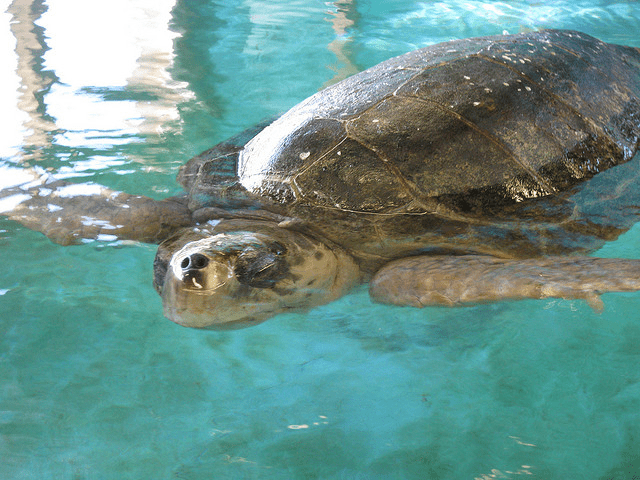
Which Species Should We Save? Situated near the center of Jekyll Island is one of Georgia's most well-known and celebrated conservation programs, the Georgia Sea Turtle Center (GSTC). Since opening in 2007, the GSTC has taken in over 300 injured sea turtles as patients and, impressively, most of them have been released back into the

It's All Upstream From Here

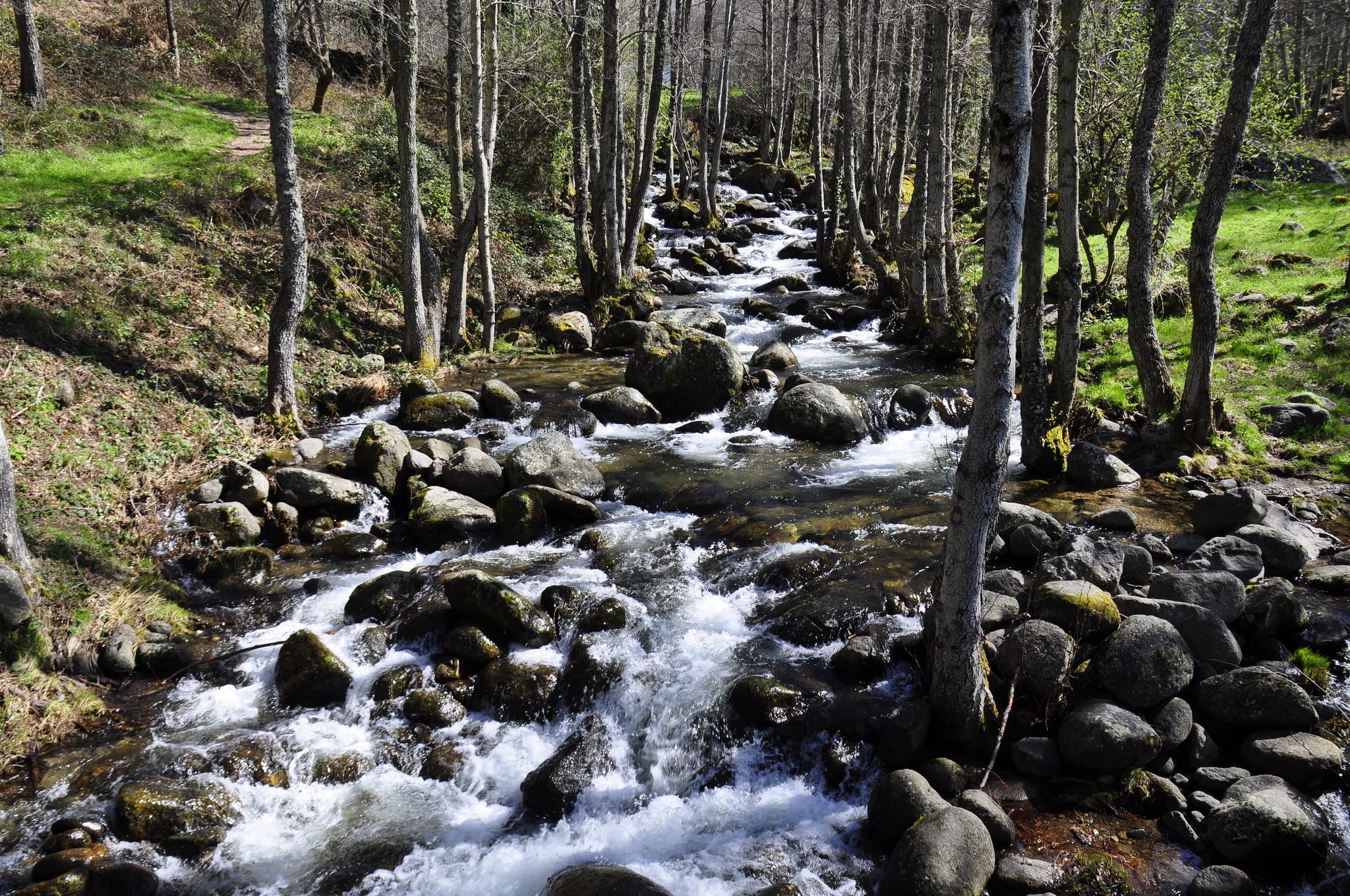
We cannot talk about streams without first discussing a very important concept: the watershed [1]. A watershed, or drainage basin, is an area between ridges where precipitation collects in creeks and streams, eventually coalescing to form rivers. The way precipitation moves across land is analogous to the way water from a faucet pools in the

“Green” Pesticides: Can Fungi Fix Agriculture?

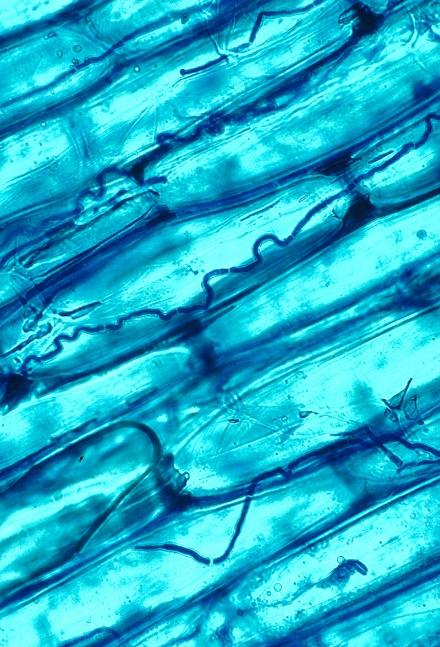
Farmers today face a number of challenges, old and new. Global climate change is exacerbating harsh growing conditions, invasive species are devastating crops, and consumer demands are shifting toward sustainable farming practices. Farmers also have to balance the increasing cost of fertilizers and pesticides with a need for high crop yield. An estimated 877 million

Butchery on Wings

Anyone that has seen Alfred Hitchcock's “The Birds” should have a healthy fear of crows. Even to someone who has never enjoyed the glorious spectacle of crows pecking people's eyes out in black and white, crows are unsettling. They are a large menacing black bird with a blood-curdling caw; add the fact that a group

Burning down the house: Are humans causing climate change?

This is the second part of a three-part series on climate change. For information concerning whether or not the climate is changing, see part one. Part three will deal with the consequences we face from climate change. We can agree that the global climate is actually warming, so who or what do we have to blame

Why do we believe that the Earth is warming?

This is the first of a three-part series on common questions about climate change: This first article will address the question of whether the climate really changing. Subsequent articles will look more closely at human's role in climate change and the effects can we expect from climate change. It's no secret that there's a crisis

Wetlands: the stinkiest ecosystem you never knew you needed

They smell, they're muddy and hard to cross, and let's be honest, they just don't have the charm of a nice sandy beach. Wetlands certainly do not rank very  high in the aesthetics category, but the value of an ecosystem cannot be measured in beauty alone. For one thing, many ecosystems offer what are called

The Ozone Hole: Where Are We Now?

It's 1974: the first published peer-reviewed article claiming that chlorofluorocarbons (CFCs) are damaging the stratospheric ozone layer hits the news. CFCs, once used commonly in aerosol cans, fire extinguishers, refrigerators, and air conditioners, were responsible for causing depletion of the ozone layer. The paper created such a national stir that ozone depletion is still a

Scroll to Top