Environment

Lost in Translation

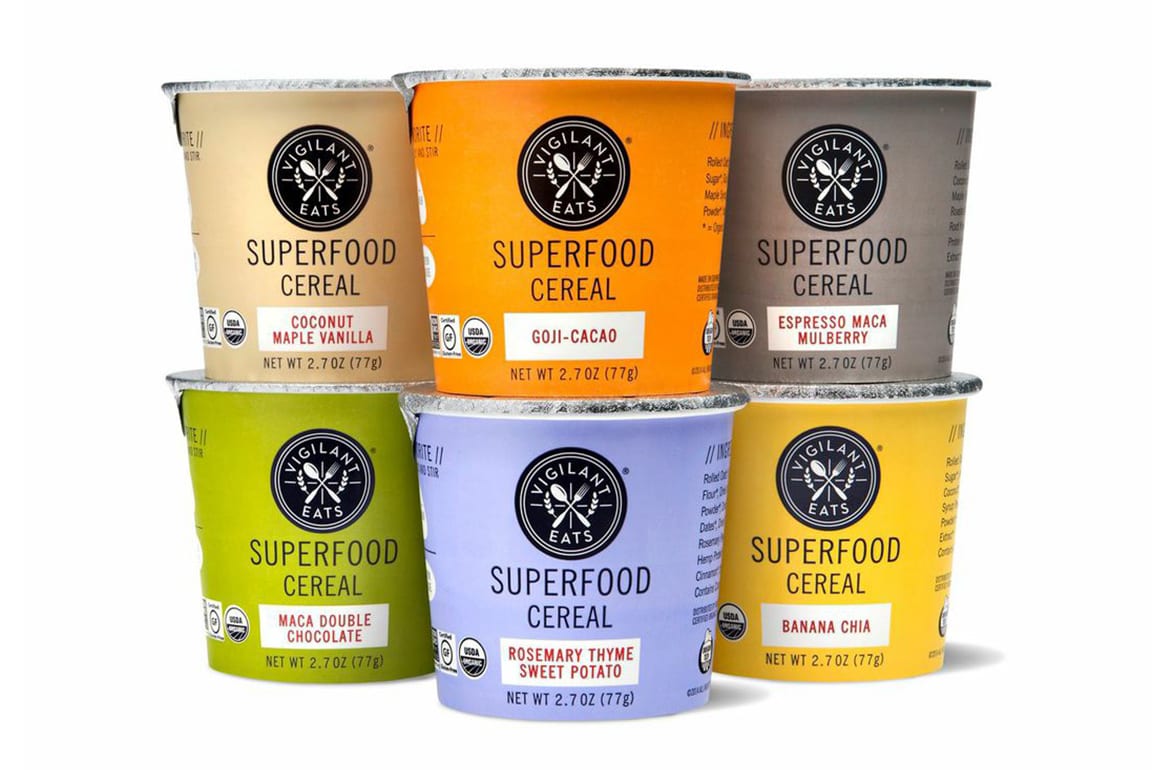
The year is 2019; the place, your local grocery store.  You, the unwary consumer, wander the aisles on your weekly shopping excursion.  Reaching for the milk, you hesitate; “non-GMO” is emblazoned across one milk carton.  Meanwhile another label holds no such distinction. It does not assure you, the consumer, that its contents are free of
Cleaning up Chernobyl with Sunflowers

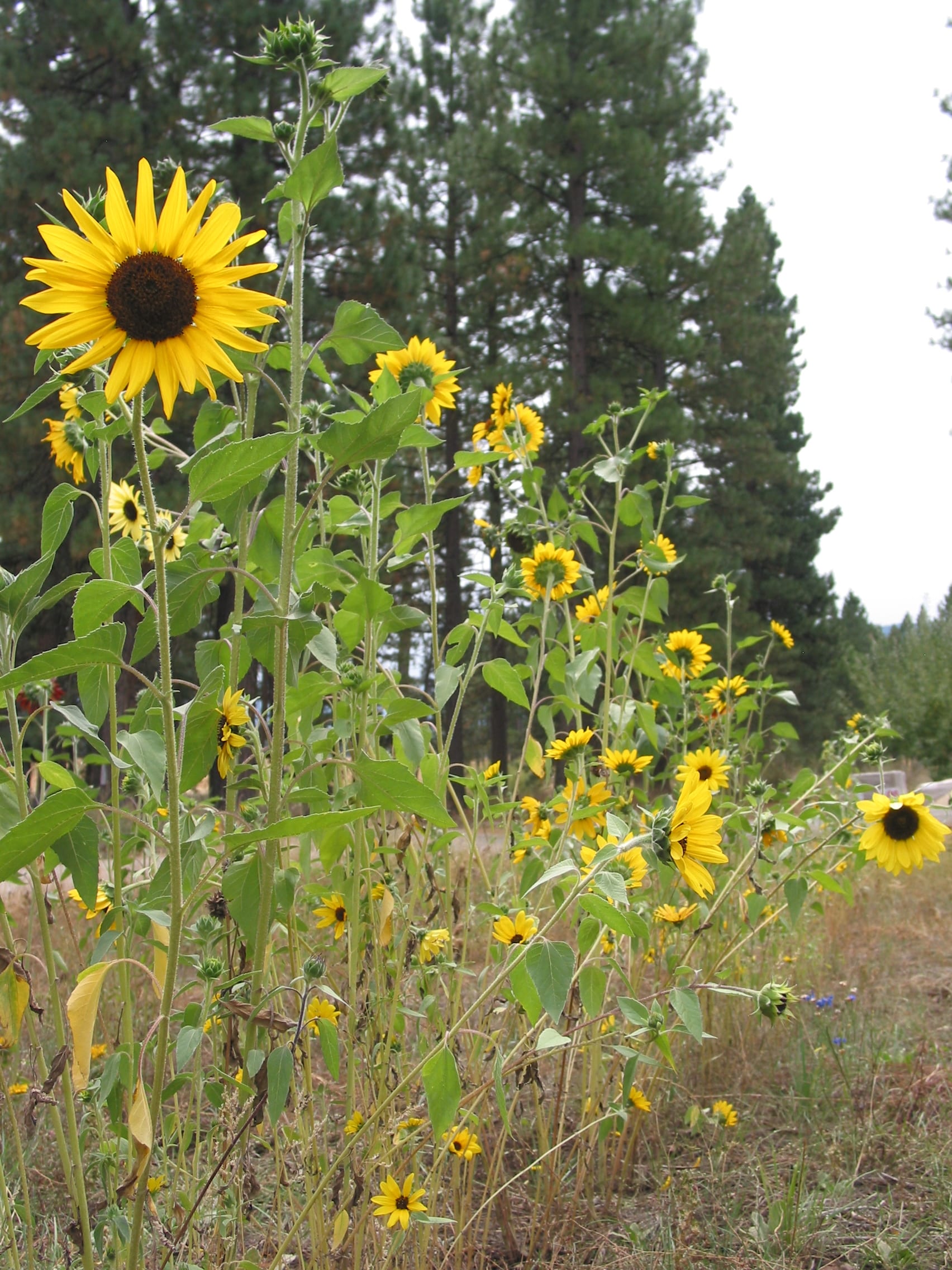
On April 26, 1986, in the city of Pripyat, Ukraine, a group of engineers working on the No. 4 Reactor at the Chernobyl Nuclear Power Plant accidentally caused one of the greatest environmental disasters known to mankind. 50 tons of radioactive material were released into the atmosphere and dozens of lives were lost. Pripyat was

Blinded by the Blue Light

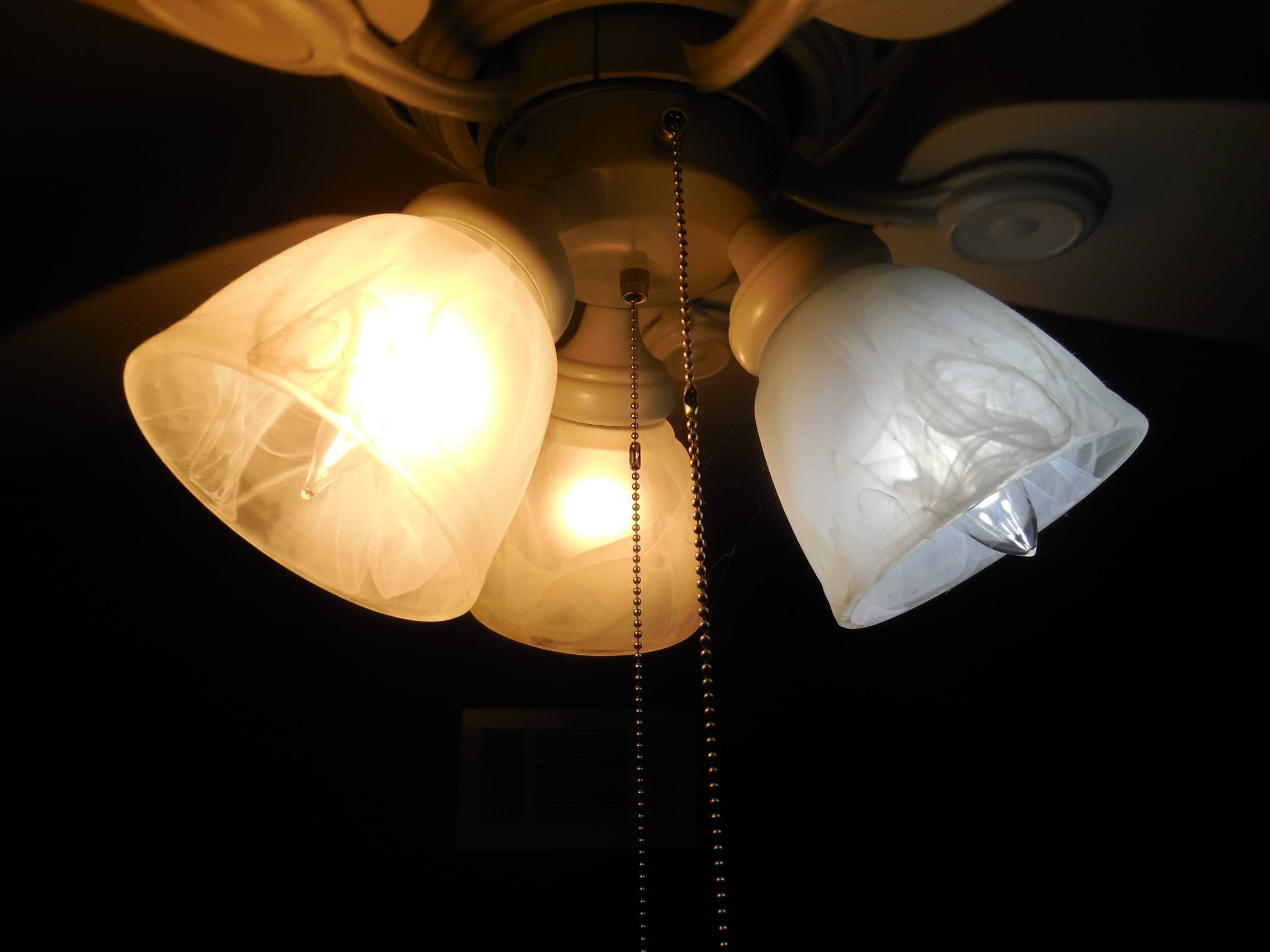
”Don't stare at your phone/computer too much, you will hurt your eyes” – we've probably all heard this at some point in our lives. Is this true? Does staring at a screen really “hurt” your eyes? What other effects does it have on the body, and is it something that will impact our health as

The Secret World of Plant Chemistry: Plant Communication

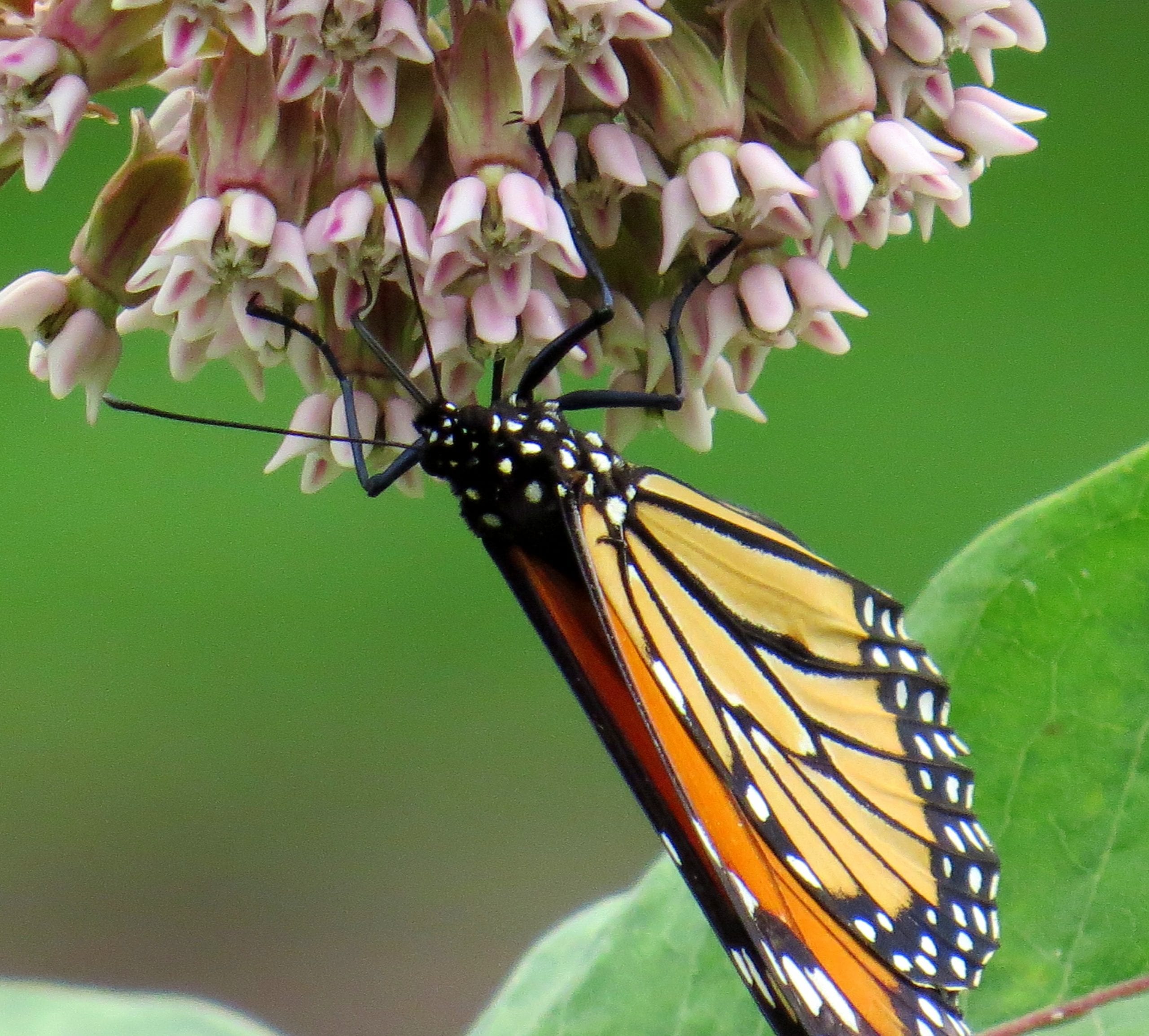
Part II of the series exploring plant chemistry through different lenses. Plants are the perfect embodiments of natural selection – they can't just get up and move; so whatever adversity they face, they generally have to stick it out. It leaves the strongest individuals to survive while the weaker ones perish. This situation warrants some

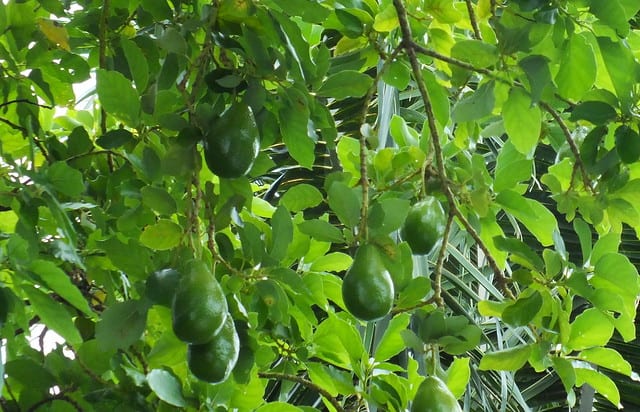
When Wild Avocados Roamed the Earth

If you've ventured outdoors in the southeast over the last couple weeks, then you may have noticed that things are looking distinctly…yellow. Everywhere you turn, cars and sidewalks are covered in a fine layer of yellow ‘dust'. The hazy quality to the air, as any sufferer of seasonal allergies will be happy to inform you,

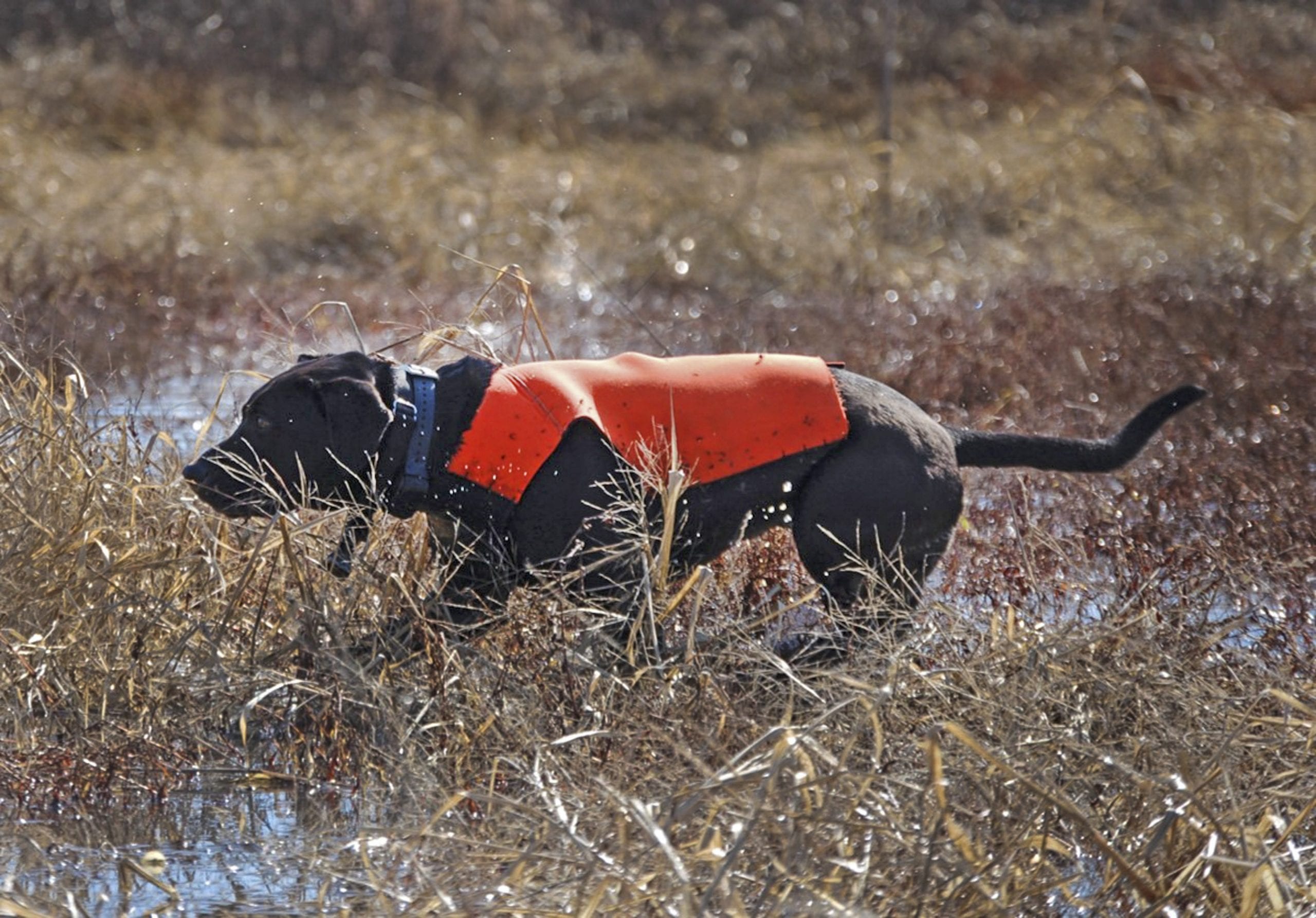
Pooper Snooper: Four-legged conservation heroes at work

From hunting to detection of drugs and bombs to search and rescue, it seems there is no limit to the ways we can take advantage of the keen sense of smell possessed by man’s best friend. What is less known is that the same qualities that enable dogs to find drugs and track down animals

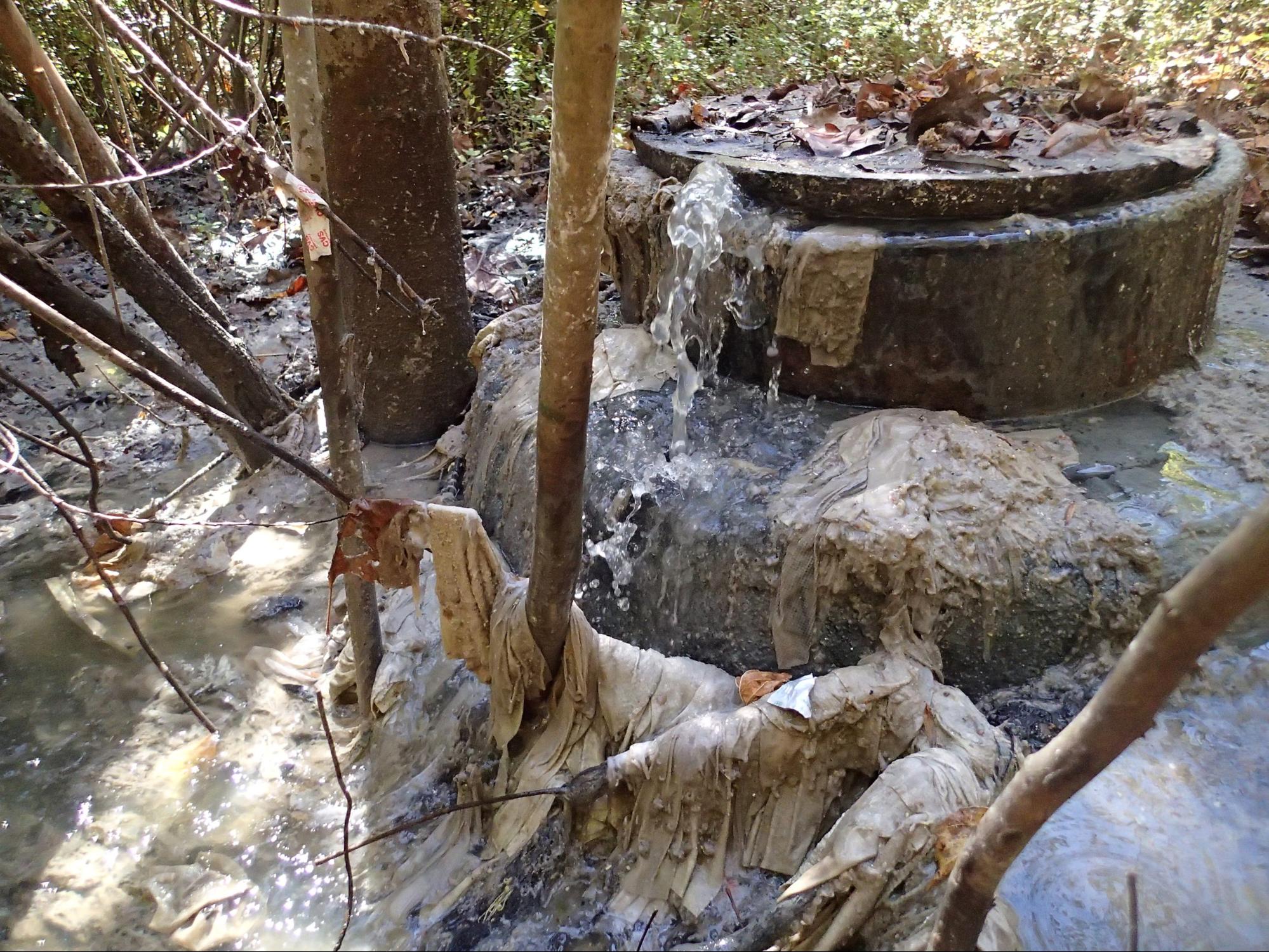
Not so Flushable Wipes

Today, we live in a world of convenience where we have manufactured products to make everyday tasks easier. I save a lot of time using a washing machine, buying premade clothing, and traveling in a car. But, the world has begun to realize that convenience comes with economic and environmental costs. Using wash cloths to

Oil Wells in the River of Grass

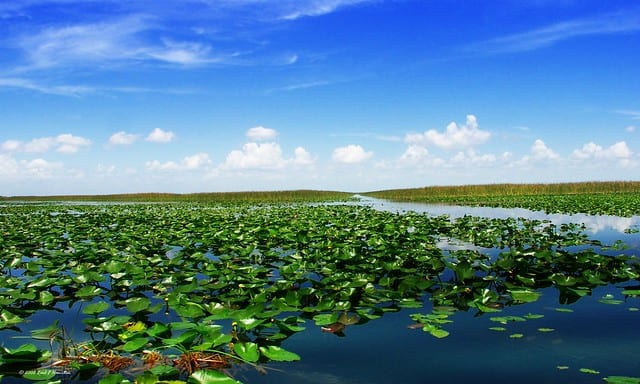
“Here are no lofty peaks seeking the sky, no mighty glaciers or rushing streams wearing away the uplifted land. Here is land, tranquil in its quiet beauty, serving not as the source of water, but as the last receiver of it. To its natural abundance we owe the spectacular plant and animal life that distinguishes

The Secret World of Plant Chemistry

Sometimes plants make it seem like nature was intended for our benefit. From the wood in our coffee tables to the rubber in our erasers – plants are so entwined with our lives that we often forget that our products were once towering elms and flowering poppies. The relationship we have with plants seems more

Frosty the Microbe

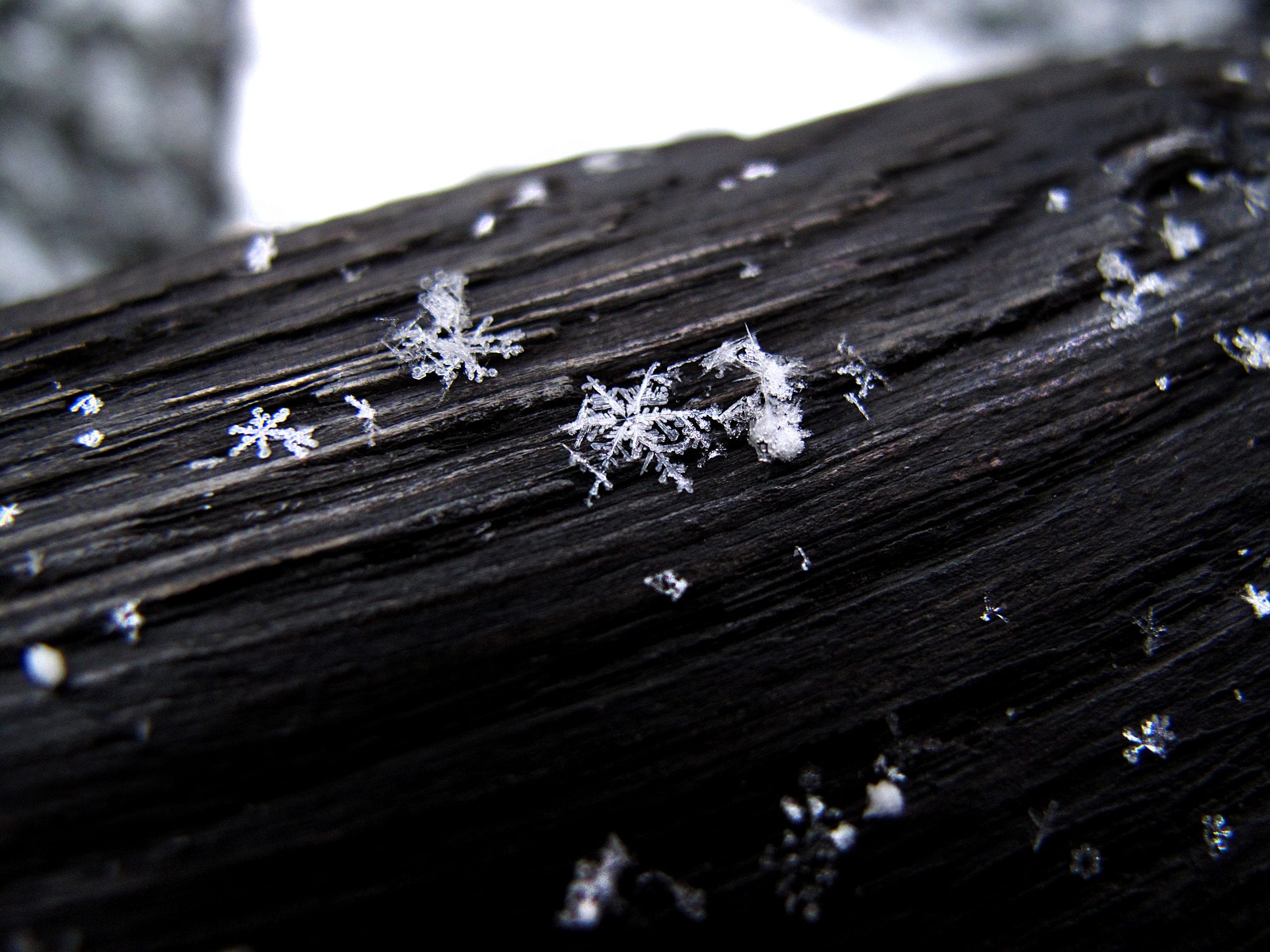
‘Tis the season for stories of wintery magic. From Elsa and Frozone to their mythical grandfather, Jack Frost, there's no cooler gift than the power to let it snow at will, or shock a pond skate-worthy with a single touch. Little do we realize that these chilly abilities aren't limited to the realm of holiday

Thermophiles: Hot Microbes on the Biofuel Frontier

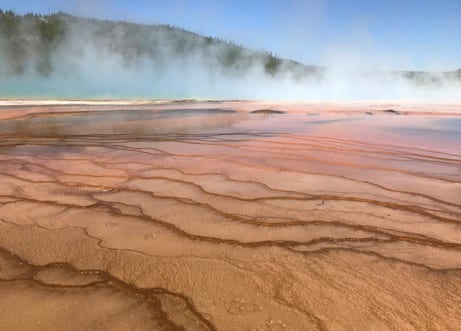
If you've ever been lucky enough to visit Yellowstone National Park (or looked at pictures), then you have probably seen the colorful, steaming mats that surround many of the park's famous geysers and geothermal pools. While they may not look it, these mats are actually living creatures. They form a special class of organisms called

Push and Pull: a Greener Way

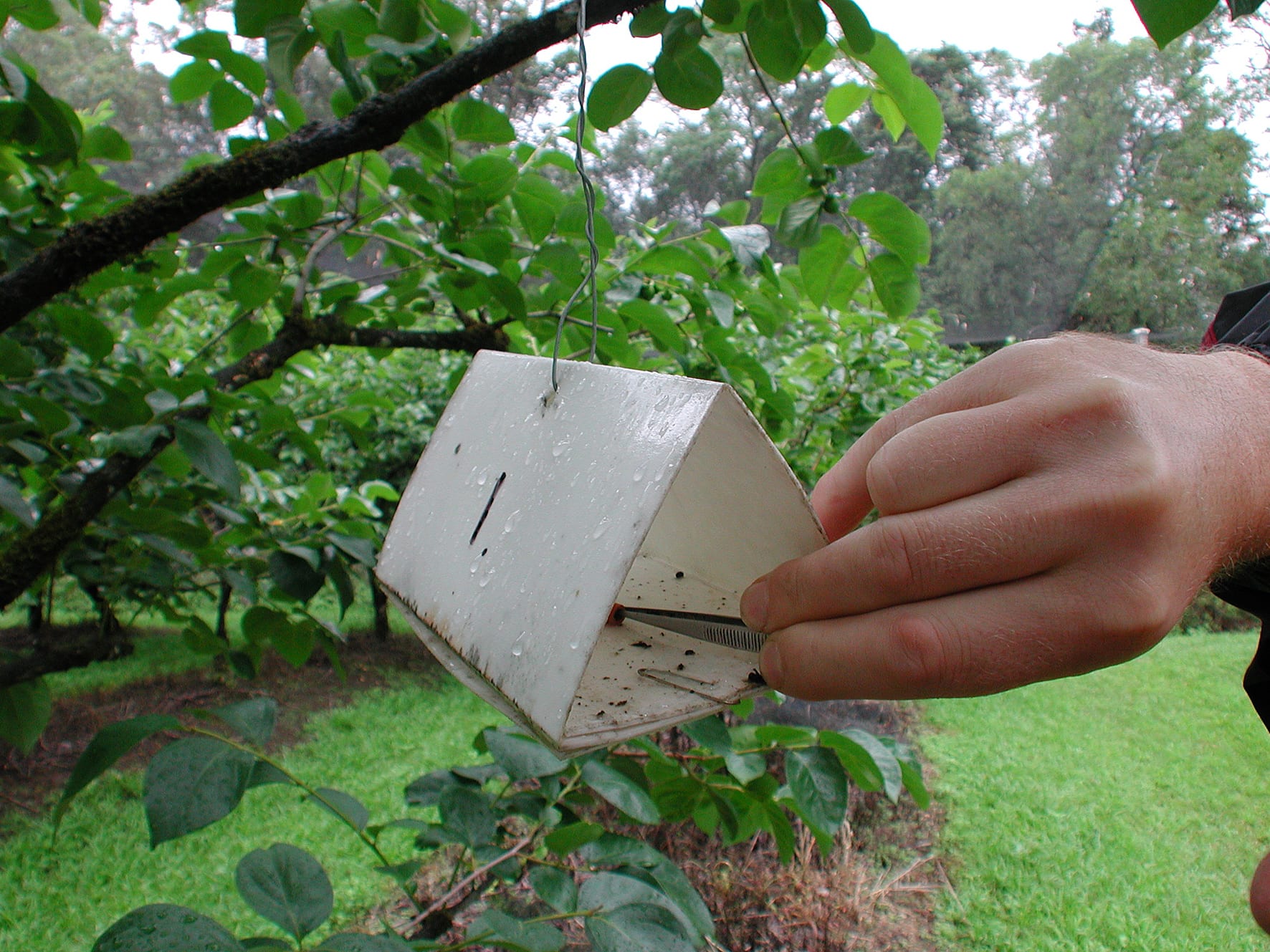
Modernization and significant advancements in agricultural practices have led to the increased application of pesticides for enhancing crop yields. According to the Environmental Protection Agency, pesticides are chemicals meant to prevent, destroy, repel, or mitigate a pest, and encompass insecticides, fungicides, herbicides, and other substances that control unwanted organisms. However, when applied to the target

Scroll to Top