Environment

CO2 to the Rescue: Transforming Pollution into a Resource

We are at the brink of a severe climate crisis caused by rising greenhouse gas emissions (GHG), including carbon dioxide (CO2), methane, and nitrous oxide. Anthropogenic activities such as burning fossil fuels have significantly elevated the carbon dioxide levels in the atmosphere. As a matter of fact, the global CO2 average has hit a new

Wall of Destruction: The impact of the US-Mexico Border wall on wildlife

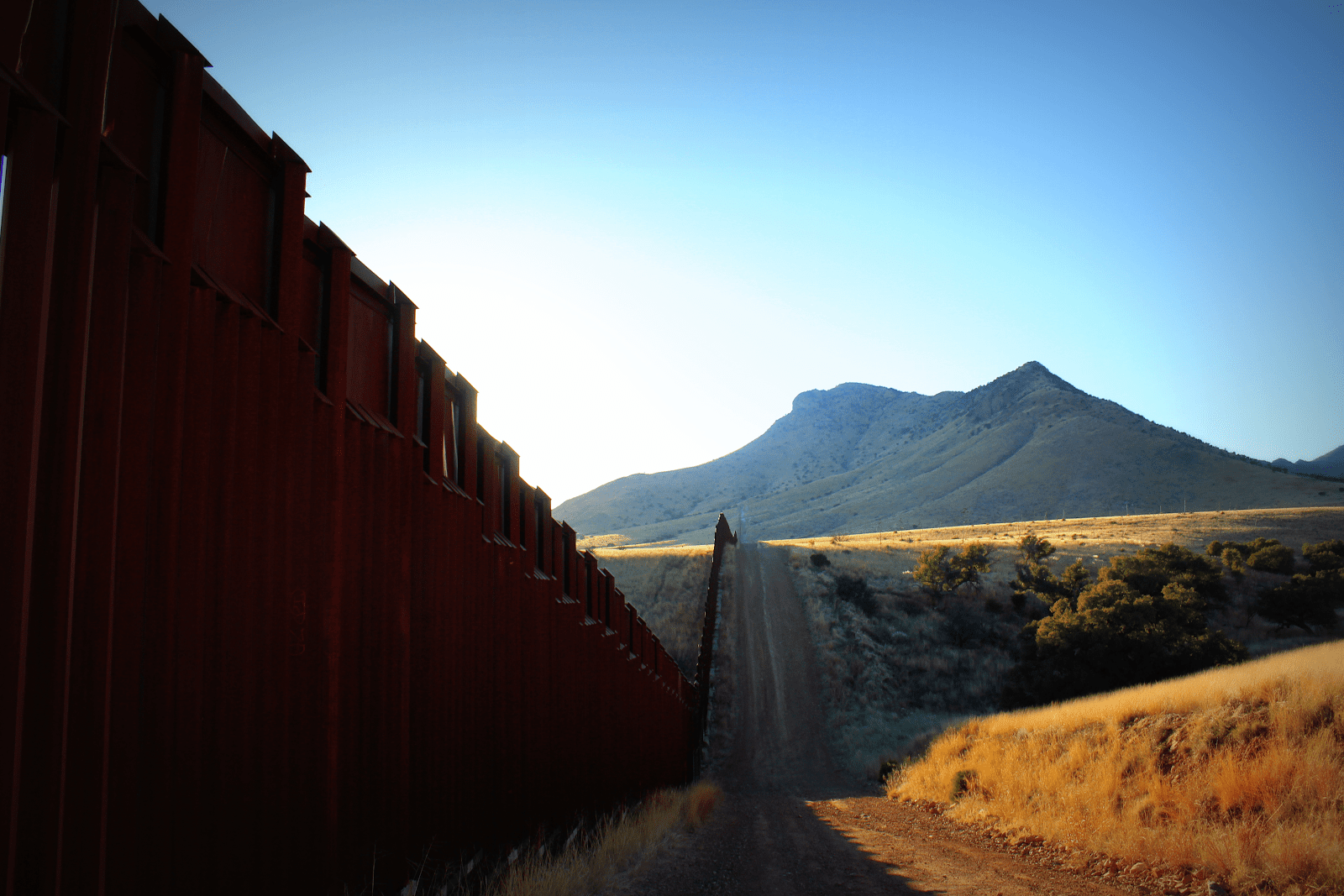
Growing up in Arizona, we were told that people could go to jail for damaging a Saguaro cactus. Saguaros are a protected symbol of the Southwest. Yet in 2019, videos shot by Kevin Dahl, the Arizona Senior Program manager for the National Parks Conservation Association, recorded bulldozers uprooting Saguaro cacti and other desert shrubs at

Taking Research Outside

After two days of driving, our U-haul rounded the final corner of the gravel road leading to our destination, The Rocky Mountain Biological Station, affectionately known as RMBL. We were in Gothic, Colorado, which is four hours of windy mountain roads up from the nearest city, Colorado Springs. My labmate and I were transporting over

Fanning the flames

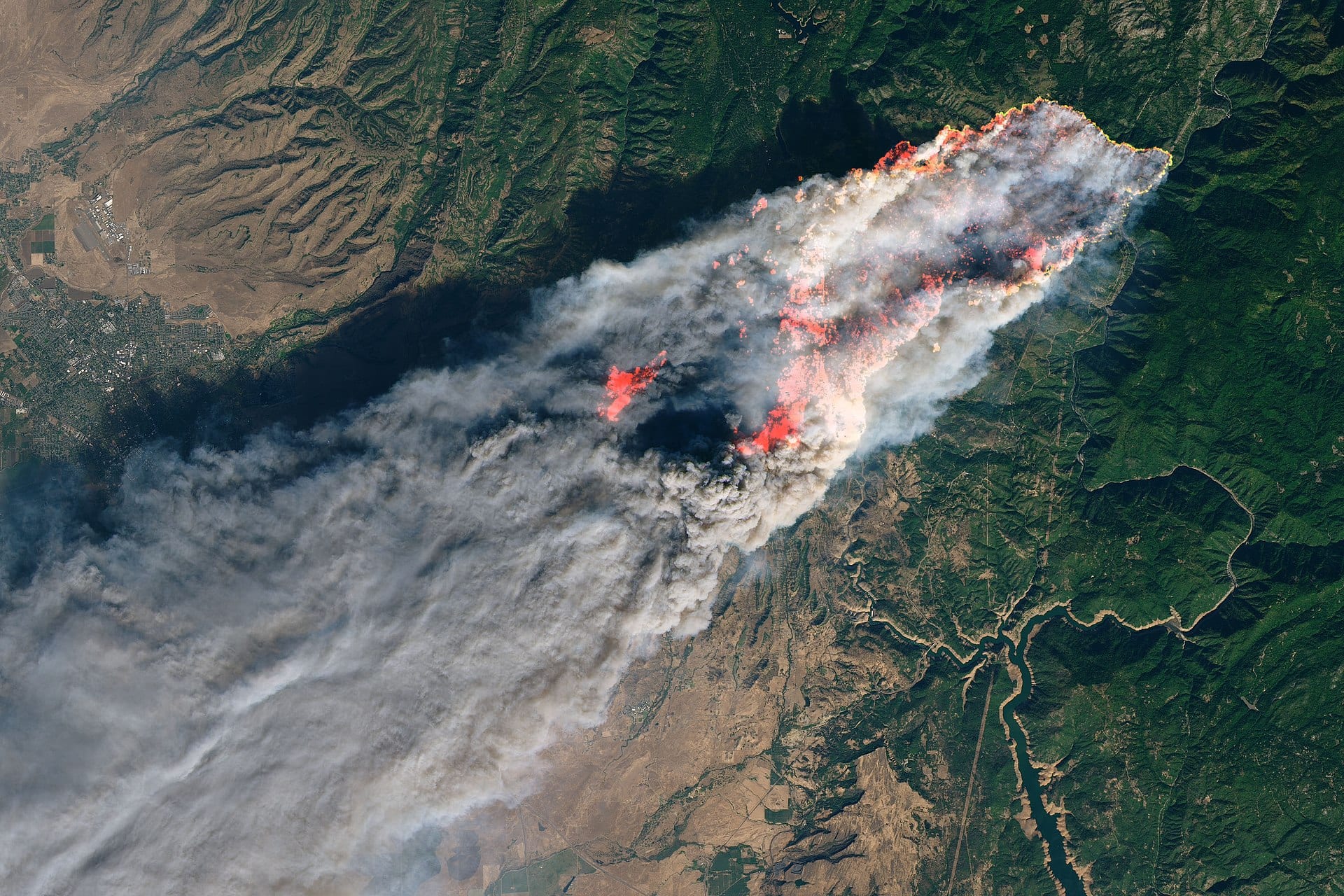
In recent years, it feels like we have watched parts of the world be swallowed whole by fire, painting a very apocalyptic picture of the future. Nearly 40,000 square miles in Australia were decimated by bushfires last year. California's Camp Fire displaced about 50,000 residents, and Indonesia saw over 2 million acres of land consumed

The Dilution Effect: Placebo or Panacea?

For a long time, ecologists have asked: why are there so many species? How is it possible that there can be so many species of, for example, phytoplankton that exist at the same time? They all use the same resources, like light, carbon and nitrogen, and all are prey to the same types of animals,

Salty soils: a ‘growing' issue for agriculture

When you think of salt, your mind likely wanders to the last bit of food you seasoned. We all know salt improves the taste of food. However, most probably don't recognize its importance in human history or its role in agriculture. It was once lauded for economic value (hence the phrase “worth one's salt”), as

The undead ghost forests of Georgia

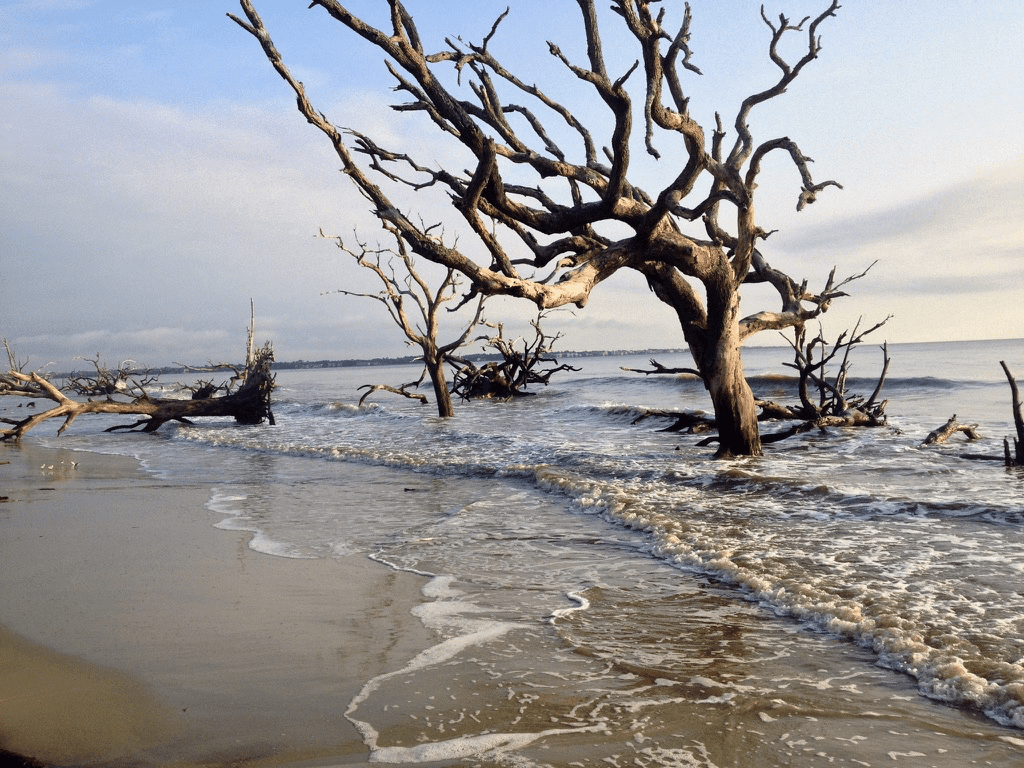
The US Atlantic coast is a dynamic, living landscape. Georgia in particular displays a picturesque mosaic of barrier islands, salt marsh meadows, maritime forests, brackish marsh and river networks snaking up the Coastal Plain. Together, coastal habitats form a dynamic ecosystem capable of protecting the coastline, storing carbon, filtering water and providing coastal regions with

Plastic tips: a more sustainable science

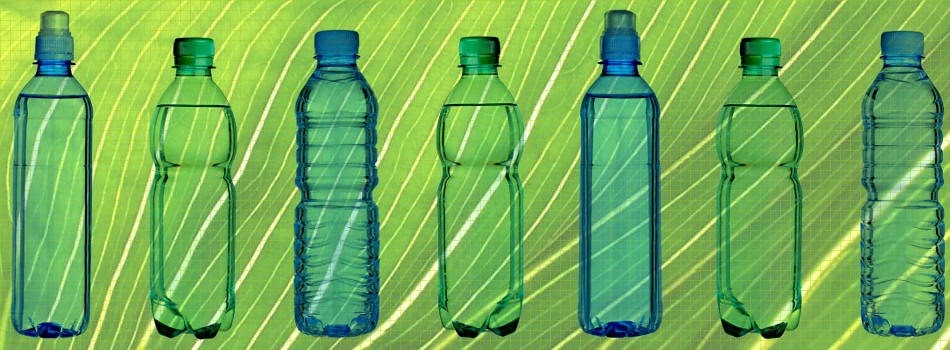
Alternatively, this post could have been titled, My Guilty Conscience Series: Plastics.  This blog post has been a long time coming – given the fact that I (and many others) have been conditioned to “reduce, reuse, and recycle” before we could even multiply. Yet, as I continue to diligently organize my empty jars and cans

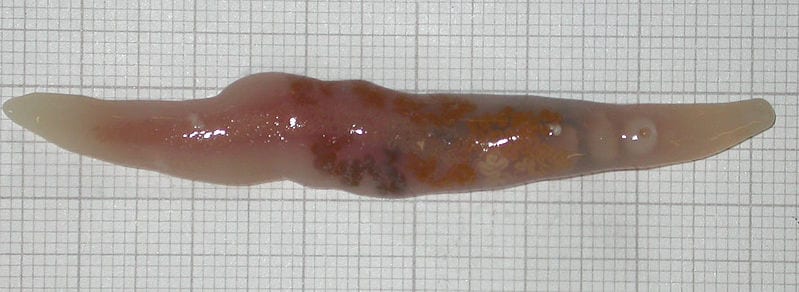
Divide and Conquer! A parasitic worm's key to survival

You may have already forgotten about Halloween, but the recent discovery of a new social organization of body-snatching parasites might be enough to send shivers down your spine!  Trematodes are a clade of worms that are almost exclusively parasites of snails and mollusks (with the notable exception of schistosomes); one species is the cause of

Fossilized Ebola is Hiding in Your Pet Hamster's DNA!

Ebolavirus is one of the most infamous disease causing pathogens of the modern era. The 2014 Ebola outbreak in West Africa was the largest outbreak of ebolavirus to date, with over 28,000 suspected cases and 11,000 deaths. Ebolavirus is just one member of the Filoviridae virus family. These viruses are colloquially referred to as Filoviruses

Scroll to Top