Blog

Mo’ Data, Mo’ Problems

Anyone who has read my previous post on “Why Computers Can't do Everything” knows the Information Technology industry has an uncanny ability to generate a variety of buzzwords to try to convince the public that their computing capability has no limits. In fact, these “buzzwords” have generated so much public interest that Gartner, Inc., a

What Does A Scientist Look Like?

Take a moment, locate a piece of paper, and then draw whatever comes to mind when you think of a scientist. Go ahead… I'll wait. Take a look at what you drew. Did you envision a man or a woman? What race or ethnicity are they? Did you draw a mad scientist like Dr. Frankenstein?

Dirty neighbors, healthier lives: The hygiene hypothesis and model species

Are you a fan of hand sanitizer? Clorox wipes? When it comes to household cleanliness, most Americans are of the opinion that the fewer germs present, the better. And despite increased warnings of potentially dangerous consequences such as antimicrobial resistance, antimicrobial soaps, gels, wipes, and sprays continue to make up a large portion of America's cleaning routine.

Evil Organs

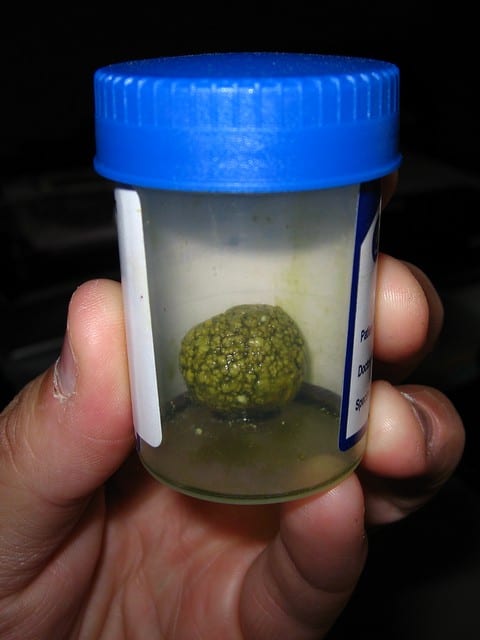
It all began with an occasional, achy pain in my stomach area after I ate. This pain was generally accompanied by lots of belching and severe bloating (my belly would become distended and hard to the touch). The symptoms didn't happen often so I didn't worry about it, but the pain increased in severity and

Quantum Mechanics and You

This blog post is part III in a three-part series about quantum mechanics. In case you missed them, check out part I here and part II here. The more we learn about the world around us through the lenses of science, philosophy, and our own personal experiences, the more we question the world around us.

Help the Earth: Let Lawns be Free

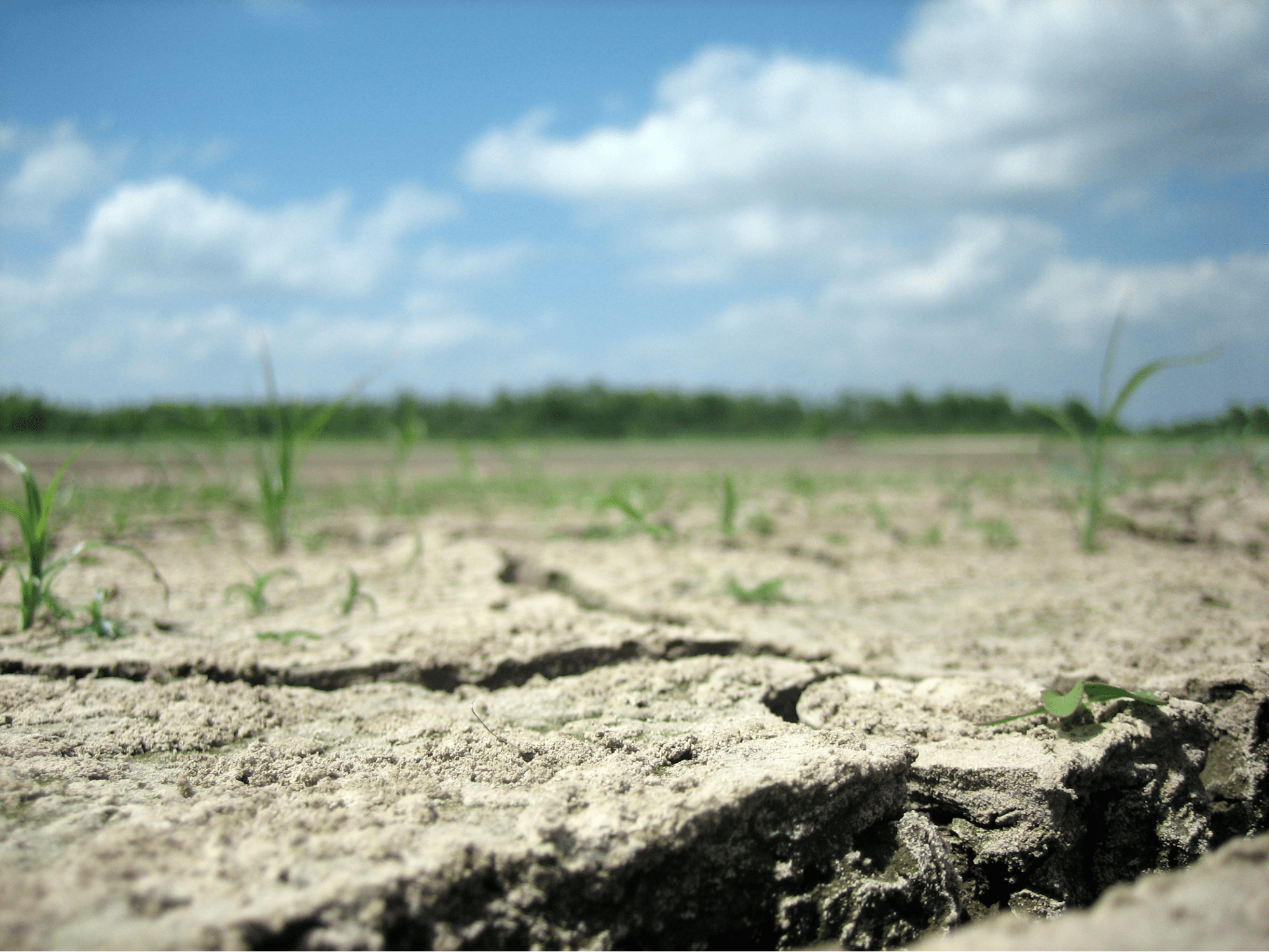
On every flight, there is a point when you sink below the clouds and a miniature version of the world unfurls before you. This is my favorite part about flying. Right before you land, the plane glides lower and lower and you get to see the world you experience every day from a different angle.

Can't We All just get Oolong? Why Different Teas Aren't So Different

I'm a tea person. This is pretty controversial in the land of good ol' hard-workin', coffee-drinkin' Americans, but I suspect there are a few of you who prefer leaf water over bean water, too. One thing that I love about tea is that there are so many different varieties. White, green, black, oolong -there's a

I Shall Call Him Squishy: The Rise of Soft Robotics

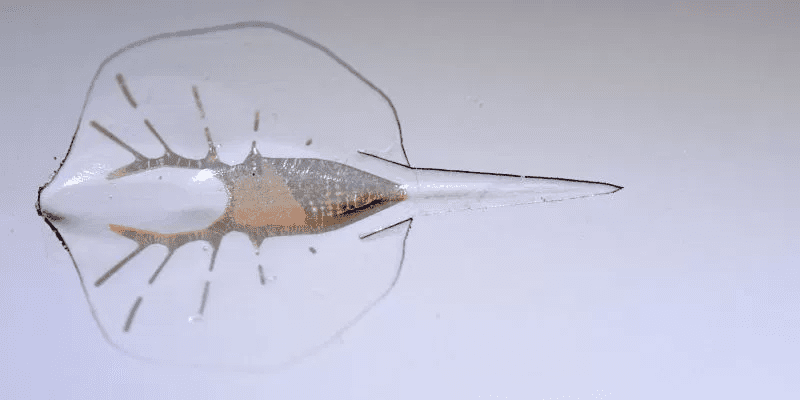
In popular culture, biologically-inspired robots play a sinister role. Movies like Blade Runner and The Terminator depict scenes of a humanoid faces split open to reveal violently grinning machines underneath. Such stories often portray machines in a dire “us vs. them” scenario. However, real life robots can have a much softer side. Taking inspiration from creatures such as jellyfish, rays, and octopuses, scientists are developing soft robots that can respond to different environments and can augment human capabilities.

“Happy Accidents:” Your Brain on Mistakes

Everyone makes mistakes. Maybe you left popcorn in the microwave too long, or wrote the wrong date on important paperwork. Maybe you asked a friend what kind of cake he wants for his surprise party, or mistook Miracle Whip for marshmallow fluff (I will never live this one down).

For every age, t, there exists hope for a great accomplishment.

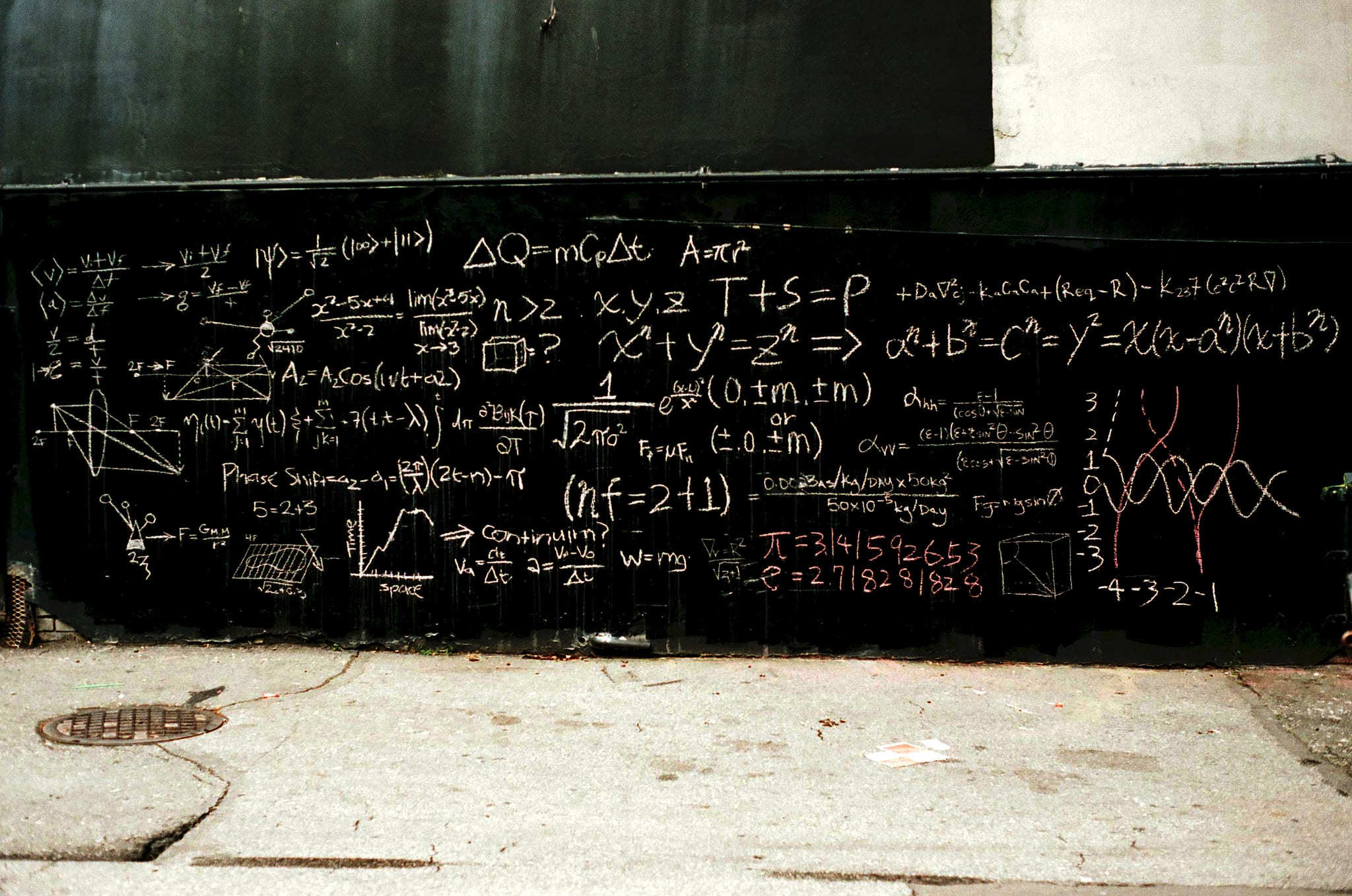
In May 2013, a paper was received by the Annals of Mathematics. There were three things unusual about the event: first the author was completely unknown. Second, it claimed to prove a theorem that no one thought would be amenable to prove within a generation. Lastly, relatively speaking, the paper was pushed through the peer

Scroll to Top