Blog

Thanks Obama! What Obamacare Has Done For Chronic Illnesses

Our current healthcare system is famously inefficient at addressing the problem of chronic illnesses like diabetes, heart disease, and being overweight. According to the CDC, 75% of all healthcare expenditures go toward treating mostly preventable chronic diseases. That adds up to a total of $225 billion spent per year. Aware of these huge numbers, our

Methods to the Madness: One Anthropologist's Quest for the Perfect Interview Question

One purpose of anthropology is to understand human cultural diversity, and therefore the  methods to understand this diversity must delve into human experience. Cultural anthropology research design requires that researchers spend long hours in the field with participants, learning behaviors, beliefs, experiences, relationships, and myriad other aspects of human life. And the research can seem

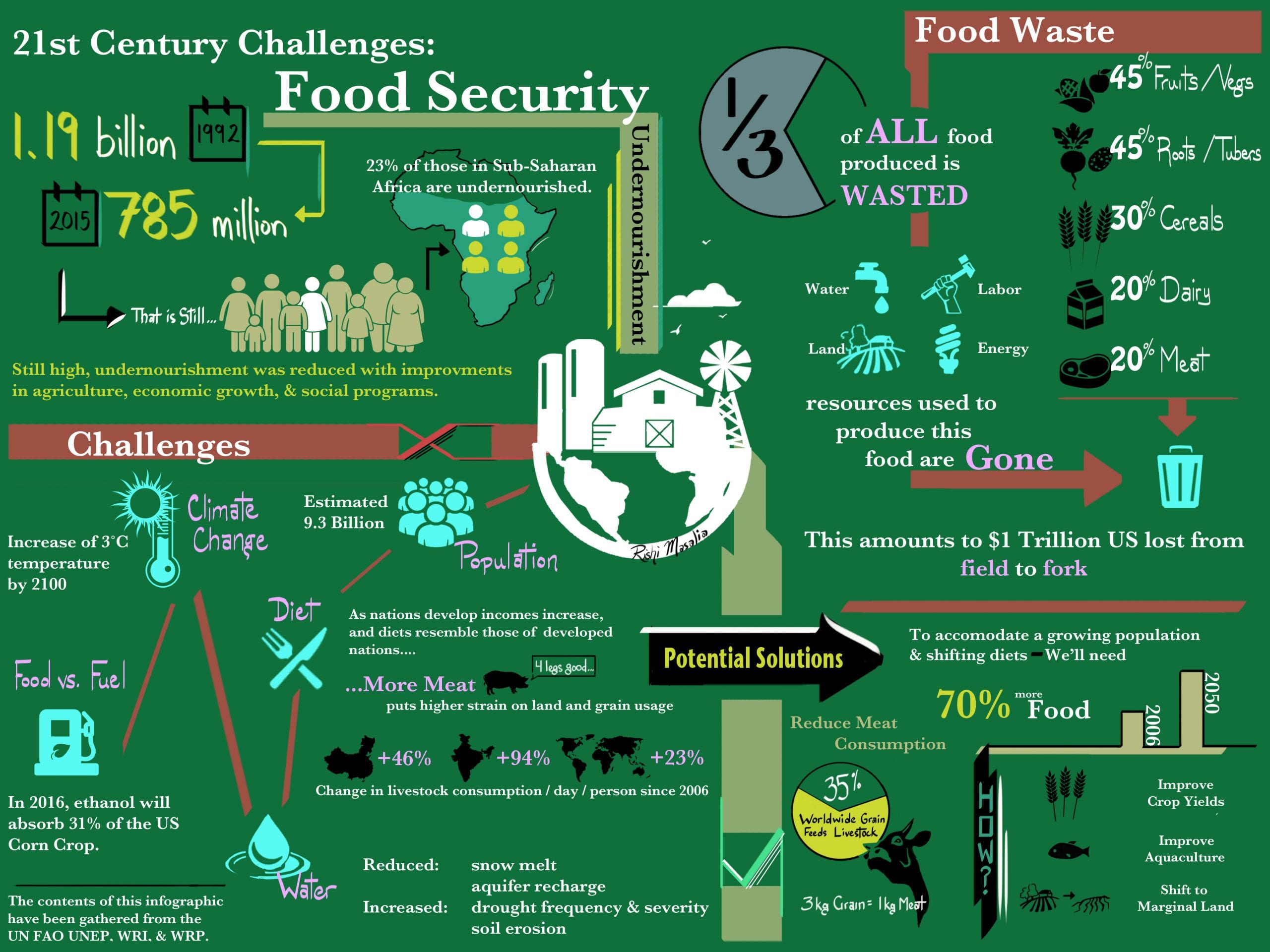
Food Security in the 21st Century

We need to do more, faster. The food crisis is permanently harming millions of children. They need our help. This is about even more than alleviating human suffering; it is about global peace and stability. –Ban-Ki Moon, UN Secretary General, 2009 Globally, we are food insecure. Rampant food waste, coupled with climate change and unrestricted

Bionics: Shaping the Future One Body Part at a Time

The loss of limbs, sight, and control of body can lead to a dramatic decrease in the quality of life.  But, an emerging field may offer the solutions needed to fix these problems. Join Graham Grable as he discusses some of the emerging technologies from Bionics. Link One (Macular Degeneration Stats), Link Two (How the Eye Works),

Making Resolutions That Stick

It's that time of year again! Everyone has just made resolutions for the New Year. According to Dr. John C. Norcross at the University of Scranton, each year ~ 40 – 50% of us make New Year's resolutions, yet most of us don't follow through with them. In 1989, Dr. Norcross showed that “77% of

Death, Dinosaurs, and Dark Matter, Oh My!

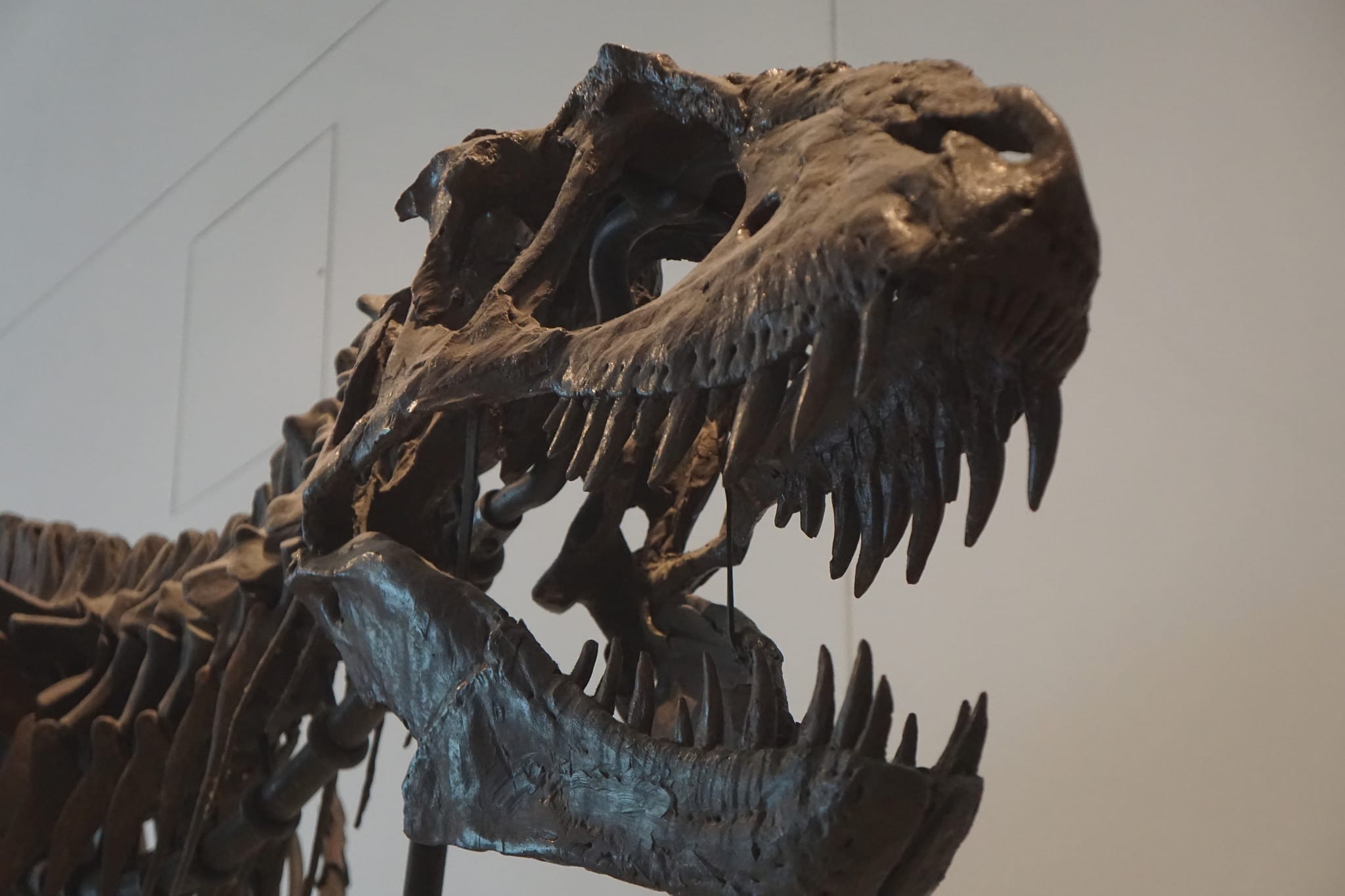
Everyone knows about the extinction of the dinosaurs some 66 million years ago, the result of a mountain-sized space object colliding with Earth and wreaking havoc all over the planet. However, what most people don't know is that this extinction was not the most devastating in Earth's history. The dinosaur extinction is one of the

The Great Migration

I remember sitting down at a traditional Korean restaurant and watching the waitress hand all of my Korean friends chopsticks and then hand a fork to me. That lady didn't know me at all, she didn't know my family history, where I was from — how did she know I wasn't Korean? I know we

The Costs of Color: Why leaves change in Fall

by Uma Nagendra It's a big move, turning on the heater. I can ignore the chilly mornings and shrinking daylight for a while, but once the heater is on, I'm no longer in denial that winter is just a calendar page away. For people and creatures alike, winter is a notoriously harsh season. Everyone has

Digging Out Mysteries: How new fossils can shake up our understanding of human evolution

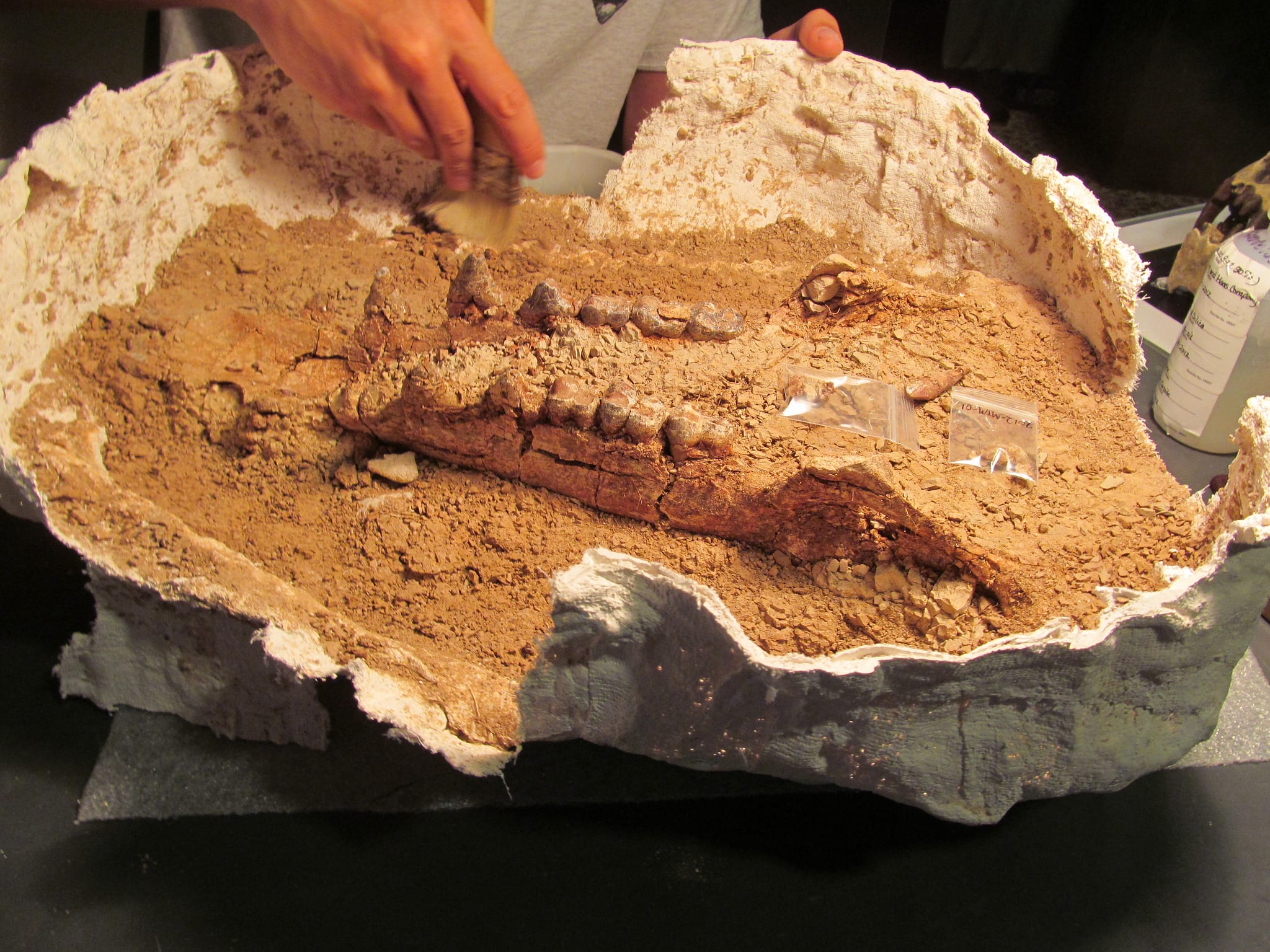
The widespread belief that “humans evolved from apes” is misleading, but almost correct. An extensive study of fossils over the last 50 years has found that humans and apes had a common ancestor and the two lineages split apart about 3 to 13 million years ago.   Australopithecus afarensis is believed to be the first

Water in the 21st Century

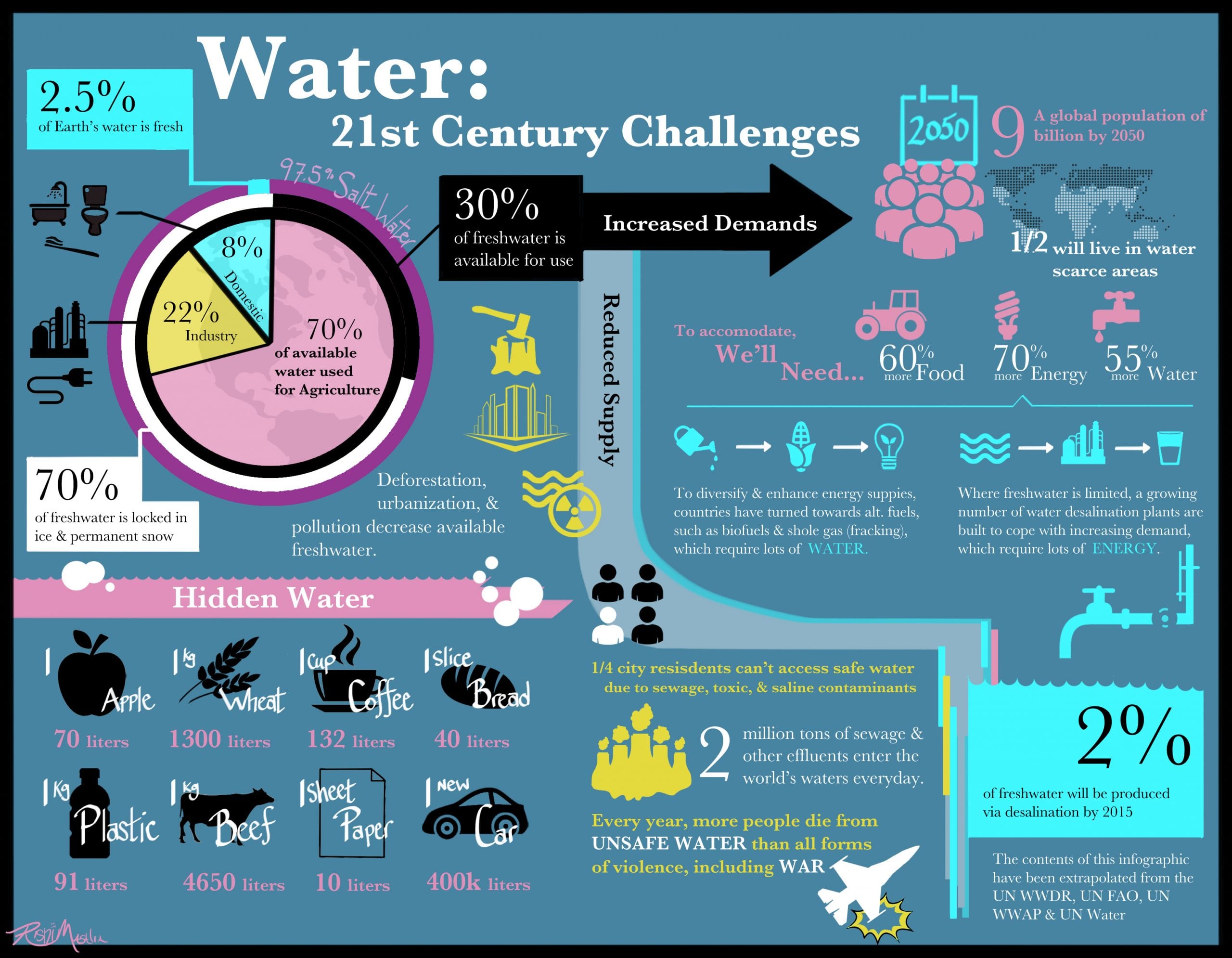
Water holds the key to sustainable development. We need it for health, food security, and economic progress. Yet, each year brings new pressures. — Ban Ki-moon, UN Secretary-General, 2013 The distribution and availability of water are defining features of life. As populations increase and global temperatures rise due to human-induced climate change, we will see

The Science of Sleep: Unraveling Biology and Culture

The rate of insomnia in the U.S. is climbing, and with it, so too are a host of health problems blamed on inadequate sleep. Getting our eight or more hours per night has become a common concern and has encouraged a growing industry of sleep aids, such as pills, light blocking curtains, and glasses built

Common Sense Conservation

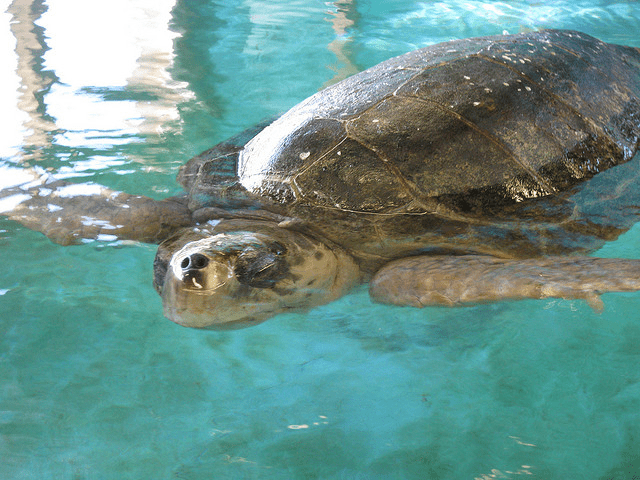
Which Species Should We Save? Situated near the center of Jekyll Island is one of Georgia's most well-known and celebrated conservation programs, the Georgia Sea Turtle Center (GSTC). Since opening in 2007, the GSTC has taken in over 300 injured sea turtles as patients and, impressively, most of them have been released back into the

Scroll to Top