Blog

Catchy Carols (Why Holiday Songs Get Stuck in our Heads)

Christmas music: it's hard to escape this time of year. Whether you love it or hate it, you've probably had a holiday tune or two echoing in your head lately. Turns out, psychologists have an official name for this phenomenon: Involuntary Musical Imagery (INMI). While less formal terms range from “sticky music” to “melodymania,” songs that get stuck in our heads are usually referred to as earworms.
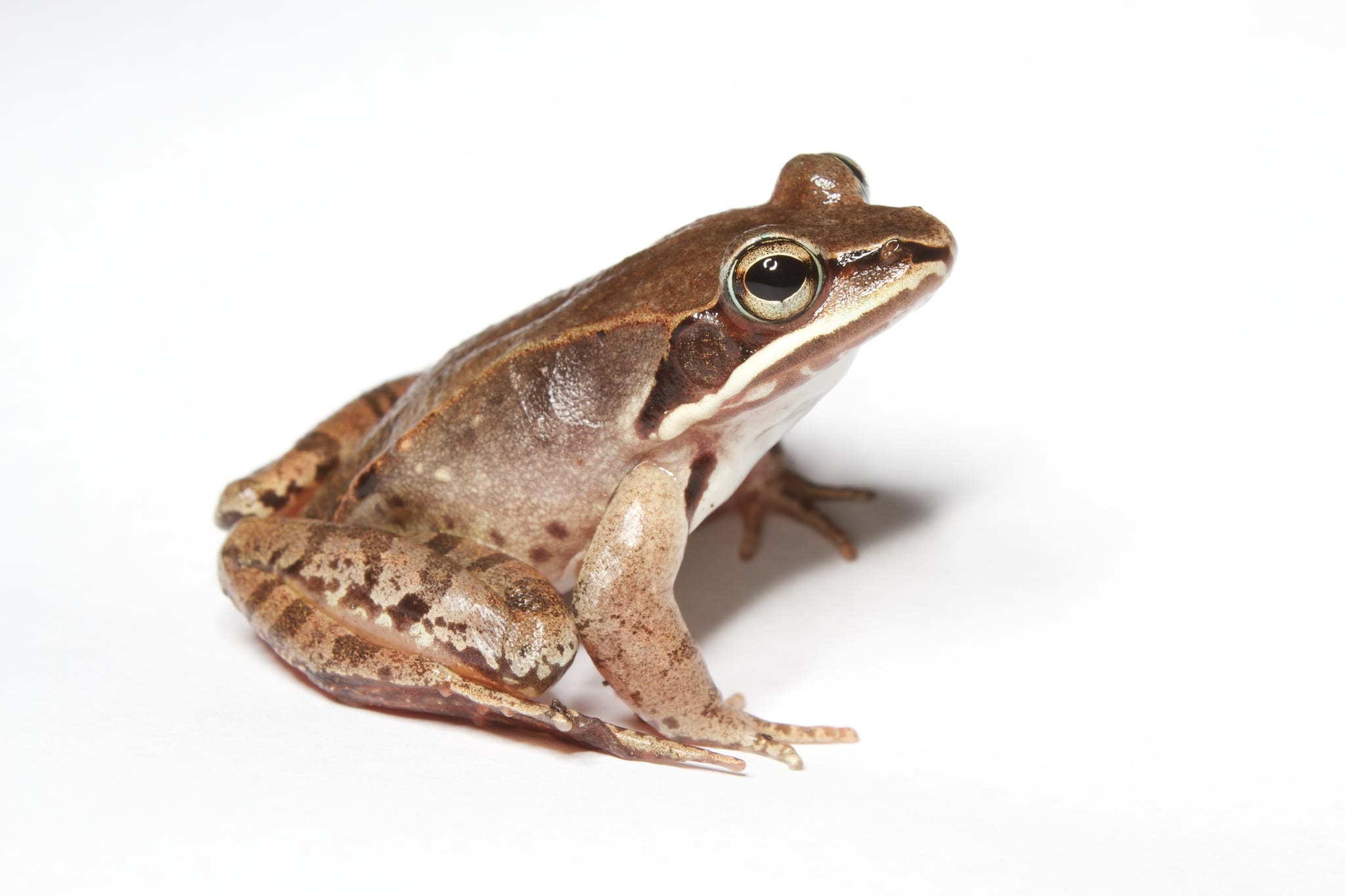
Frogsicles

Fur coats and thick layers of blubber might be the adaptational standards for icy climates. But when it comes to braving the frosty air, the humble wood frog is simply too cool to be bothered.

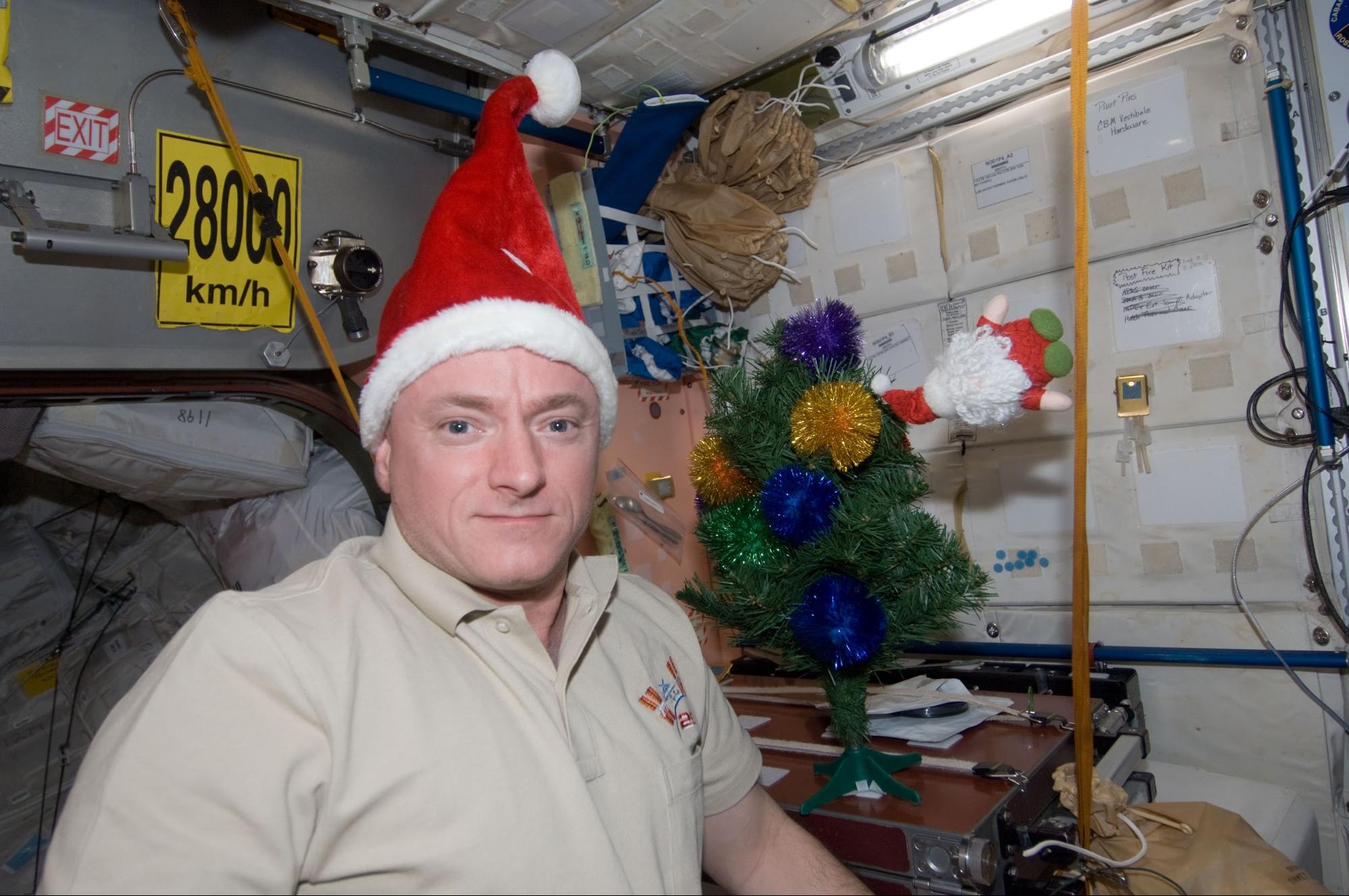
How Astronauts Celebrate the Holidays

They may not be home for Christmas, but the men and women orbiting hundreds of miles apart from the rest of humanity aren't letting that dampen their holiday spirit.

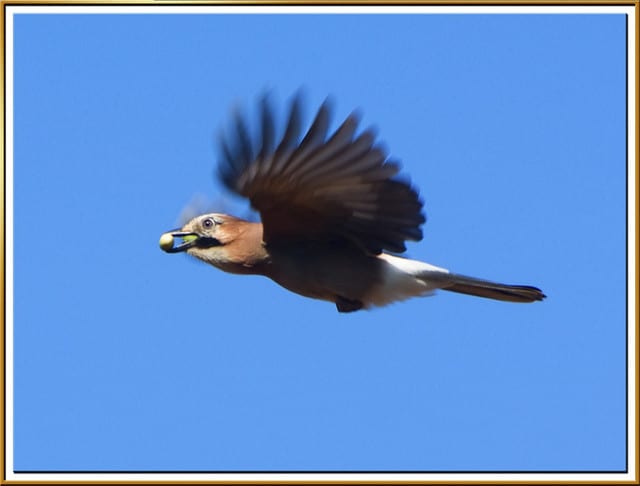
Gift Advice From a Bird Brain

Gift-giving isn't just a human phenomenon. Our feathered friends are some of the most generous (and romantic) members of the animal kingdom, offering choice food, nests, and shiny objects to their beloved mates (or even their favorite humans).

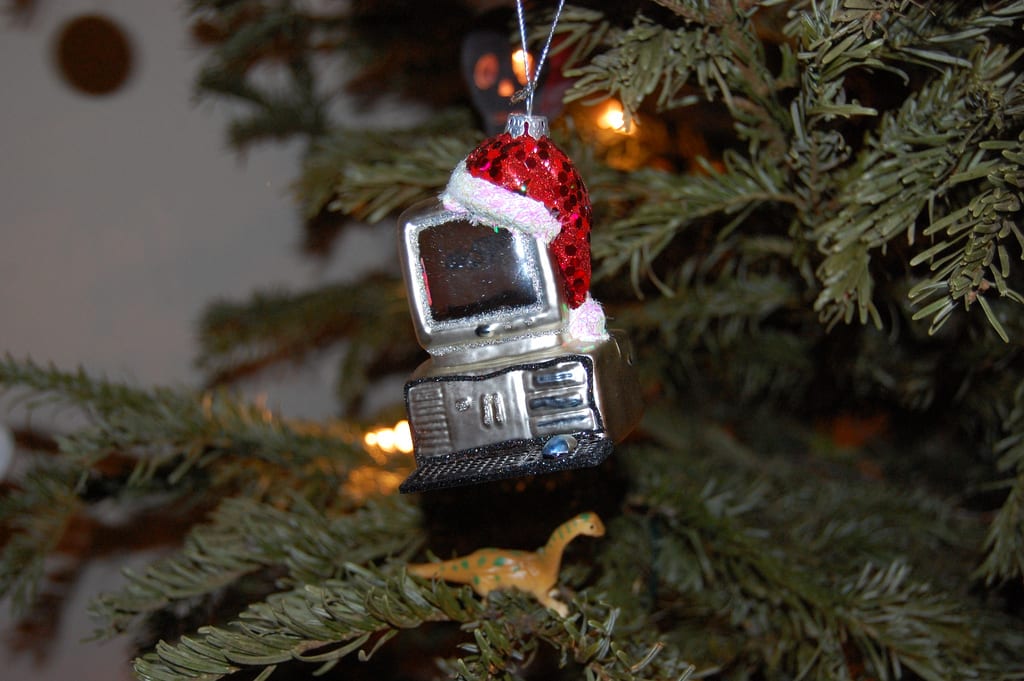
A Computer-Generated Christmas Carol

To celebrate the holiday season, ASO is bringing you a science-filled 12 Days of ASO Christmas! This will be a series of ‘mini-blogs’, by Rosemary Wills, centered on the science of some of our most cherished traditions. This is the first in the series.  Step aside, Bing Crosby. Computer scientists from the University of Toronto

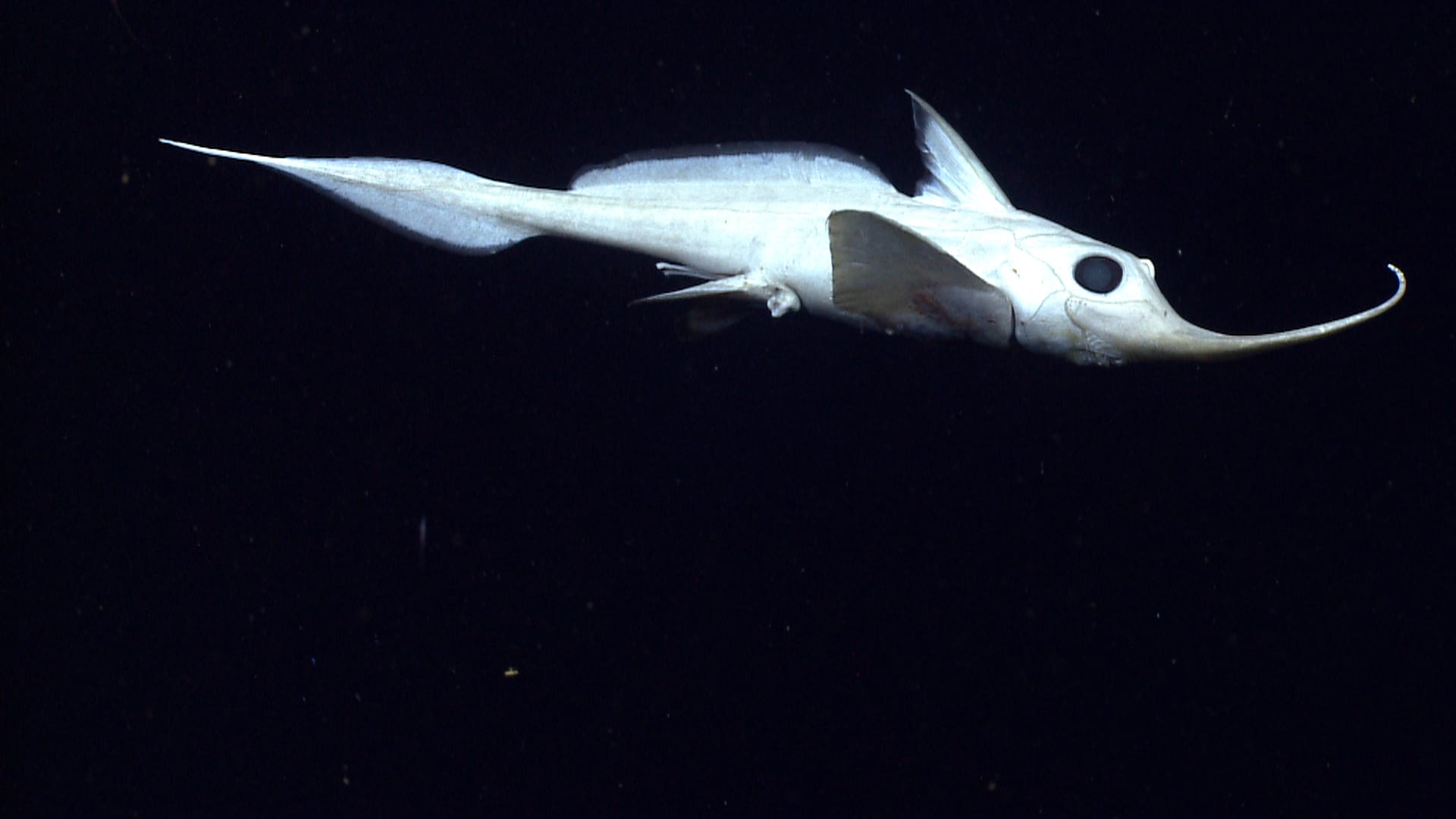
The Light in The Dark: Bioluminescence

Imagine standing on the deck of a ship out in the open ocean at night, in wonder at the twinkling stars. In the inky black water below you may also notice blinking, flashing lights, but it is not a reflection of the stars above. These bright displays are made by marine organisms via bioluminescence, a biological reaction that releases light. Researchers have found that as many as 3 out of every 4 species in the open ocean are capable of bioluminescence. It turns out that bioluminescence is a crucial communication tool for the majority of marine organisms, big or small.

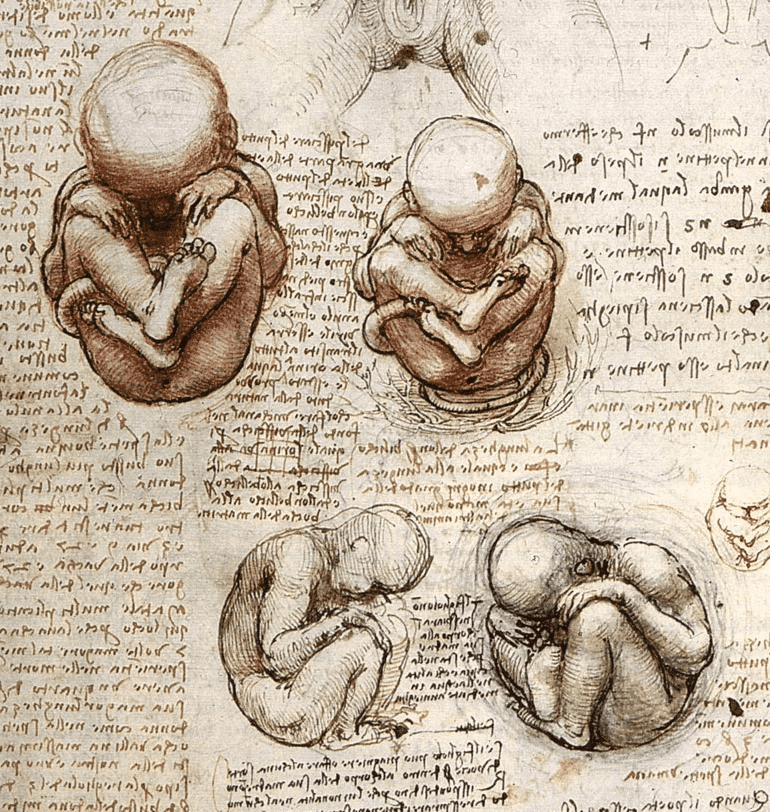
The Art in Science

When I was little, my favorite thing to do was draw pictures. Crisp white printer paper and a mega box of crayons were all I needed for endless hours of entertainment. My love for artistic endeavors remained with me throughout my adolescence in the form of music lessons and sketchbooks, but in elementary school, I

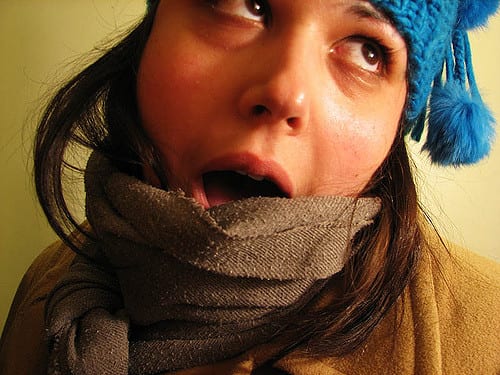
Flu Shots: Hitting a Moving Target

Coughing, sneezing, runny nose, yes it's that time of year again—flu season is upon us. By now you've seen plenty of  â€œget your flu shot here” paraphernalia. Each year, a new flu shot is developed to try to combat the virus strains predicted to wreak havoc that season. As we learned in Part II of

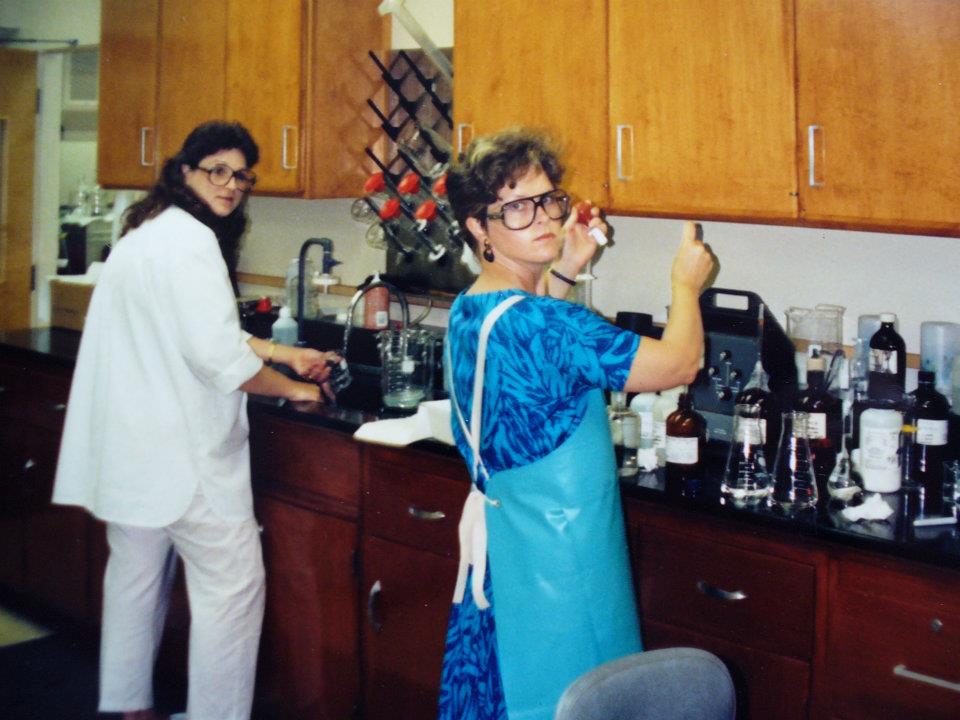
This Is What A Scientist Looks Like: STEMinists

Humor me for a moment: Close your eyes and imagine a scientist. Okay, now describe what you saw. If you're artistically inclined, maybe even sketch out what you imagined on a post-it note, coffee sleeve, or napkin. With your physical sketch in hand and mental image at the front of your mind, ask yourself: Was

A Microbial Horror Story

When Halloween excitement is at its highest, my conversations are dominated by comparing terrifying foes (IT vs. Freddy Krueger), and generating ridiculous ‘what if' scenarios, such as, “If Pennywise was around the corner, what would you do?” But as the frights of Halloween season wind down, and we gear up for the inevitable runny noses

Scroll to Top