Blog

The Ozone Hole: Where Are We Now?

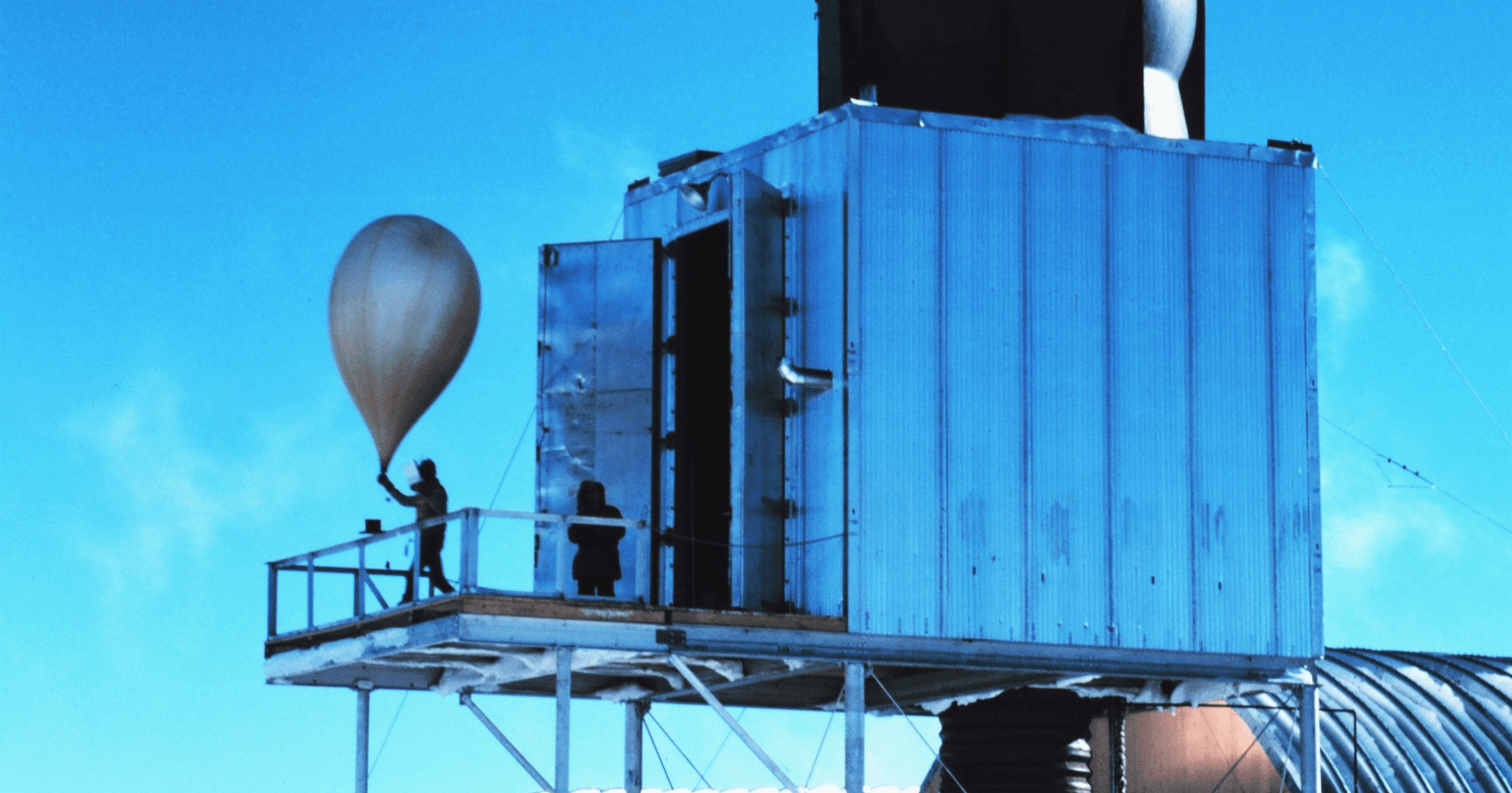
It's 1974: the first published peer-reviewed article claiming that chlorofluorocarbons (CFCs) are damaging the stratospheric ozone layer hits the news. CFCs, once used commonly in aerosol cans, fire extinguishers, refrigerators, and air conditioners, were responsible for causing depletion of the ozone layer. The paper created such a national stir that ozone depletion is still a

Slimy, Yet Satisfying: Eating Insects for the Modern World

In the Disney classic, The Lion King, Simba finds out that Timon and Pumba eat nothing by way of mammalian meat. When he asks what they do eat, they produce a bounty of wriggling beetles and grubs arranged on a leaf. Is this gross, or is it smart-eating? Entomophagy, or eating insects, has cropped up

The Magic of (Early) Reading

My parents encouraged my sister and I to start reading from a very early age. I am pretty sure that as a child I read every book I owned about a hundred times. So imagine my joy when I saw a packed bookshelf at a friend's house that belonged to her four-year-old sister. Surprisingly, my

UV Defender: The Protective Power of Sunscreen

It's a familiar scene from childhood: you rush outside your house in the summer, or you bravely singe your feet walking across hot sand at the beach, and as you run off, your mother calls you back. She needs to put sunscreen on you. She pulls out a brightly colored tube whose back is covered

From Agriculture to the Atom Bomb: Has Human Activity Forced Earth into a New Geologic Epoch?

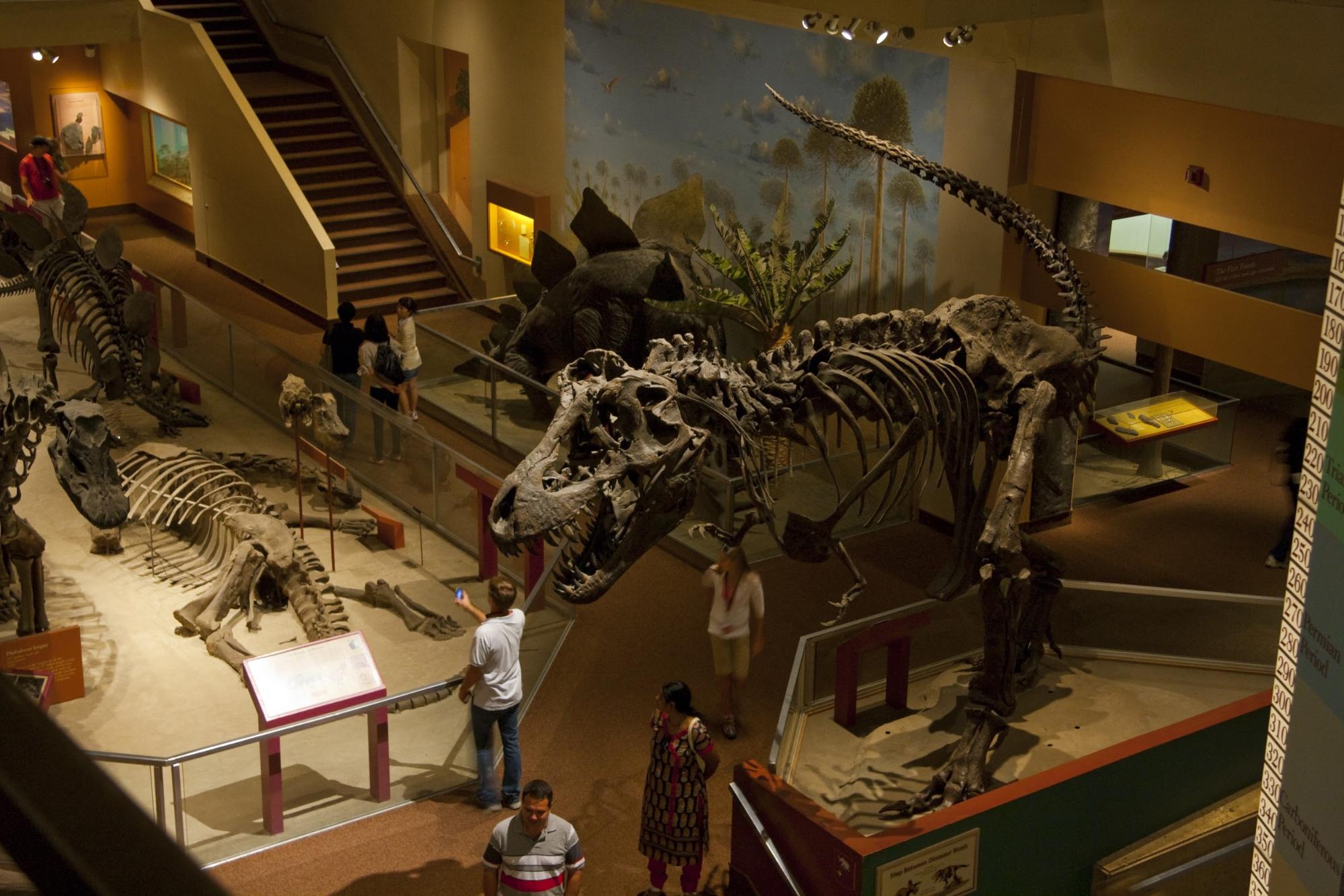
For decades millions of visitors wound their way underneath the towering skeletons of Tyrannosaurus rex and Triceratops at Washington, D.C.'s Museum of Natural History. Now, the National Fossil Hall has closed as curators work on a revamped exhibition, tentatively titled “Deep Time,” set to open in 2019. Alongside the dinosaur skeletons that have long dominated

“You study what?”: The trials of a misunderstood anthropologist

“So you're studying anthropology,” my aunt said. “Are you finding any good bones?  How do you know where to dig?” I sighed. I should be used to it—people relating my work to Raiders of the Lost Ark—but somehow I never am. “I'm not an archaeologist,” I replied. “I'm a cultural anthropologist.” “You're a what?” she

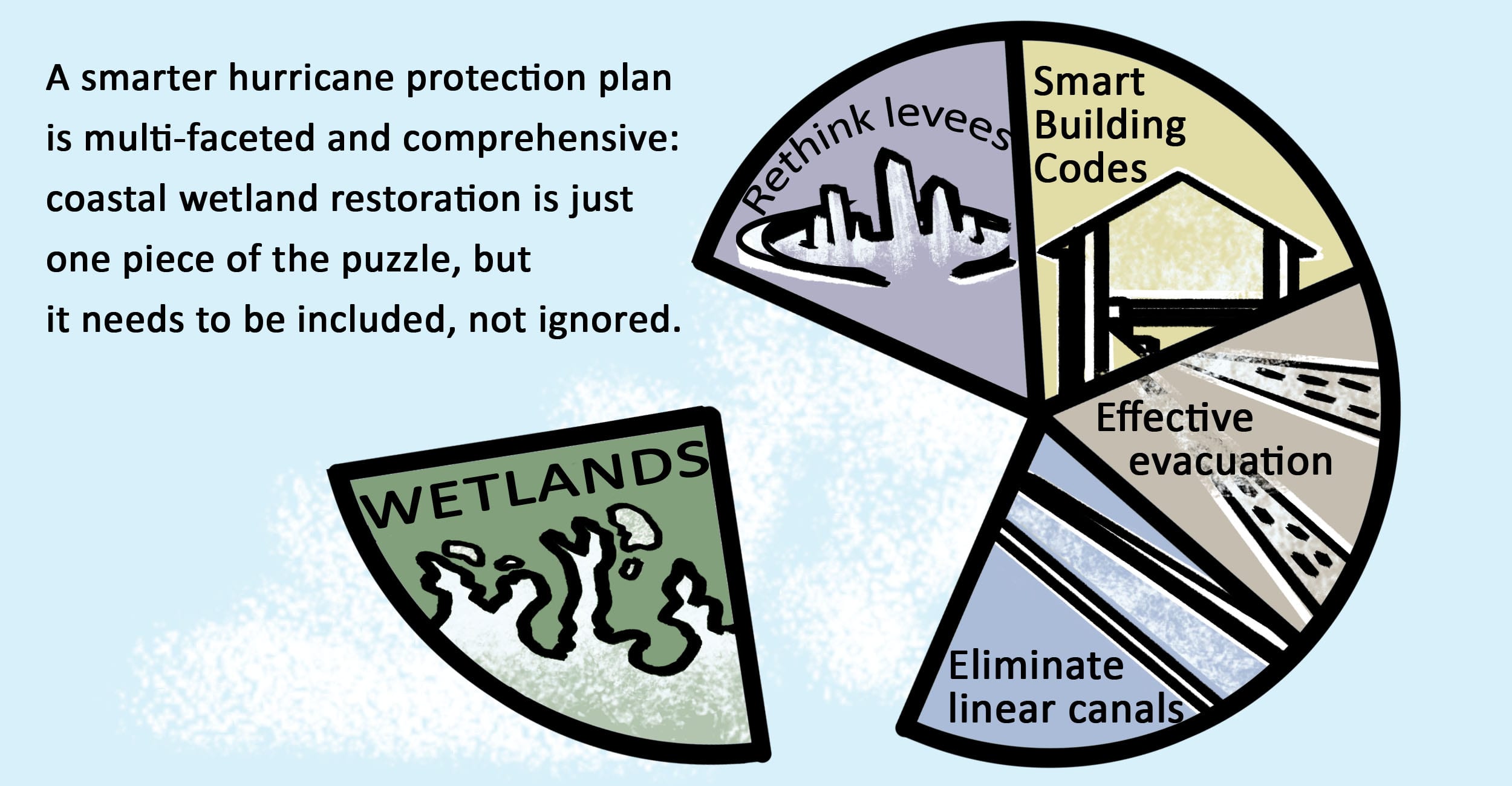
Smart hurricane protection is multifaceted: Wetlands, Levees, Building Codes, Evacuation, Rethinking linear canals.

Rooted against the wind and water: a Katrina-versary webcomic

To commemorate the 10th anniversary of Hurricane Katrina, illustrator, ecologist, and native Orleanian Uma Nagendra takes a look at what we’ve learned since Katrina about how wetlands mitigate the devastating impacts of hurricanes. Uma Nagendra is a native New Orleanian now living in Athens, GA. She has been interested in natural disturbances since Katrina, and

Putting a Price Tag on Nature

It is a Sunday morning. You are sitting on the front porch, sipping from a cup of coffee, and reading the day's paper. You hear a rustle, look up, and see your dog chasing a squirrel away from his nut-burying chores; you chuckle. Ah, the good life! While it may not be at the forefront

What is Nanotechnology? Part Three: Metamaterials

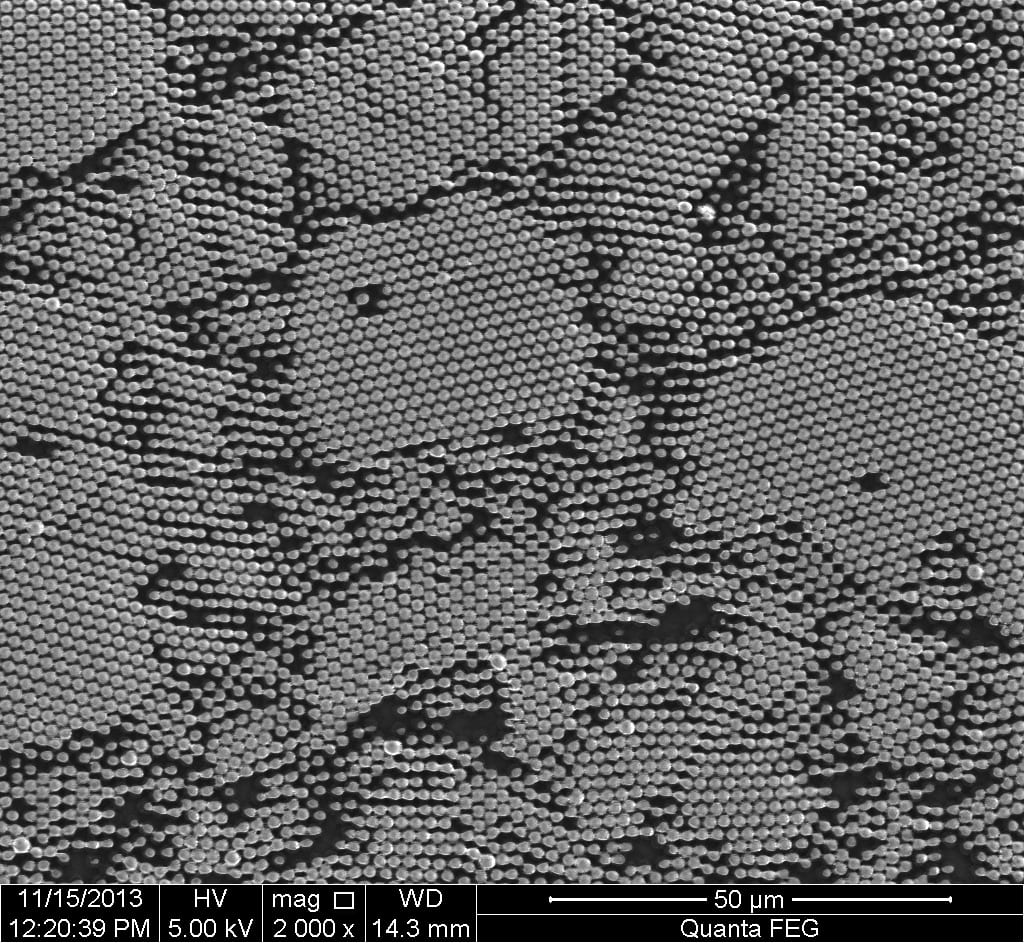
On this third and final podcast on nanotechnology, invisibility just might be real. Join Graham Grable. as he explores the optical wonders of metamaterials. Be sure to check Part One and Part Two.   Link One (Bio-Sensing), Link Two (Invisibility), Link Three (Extra Read: High-Efficiency Solar Cells)     About the Author Graham Grable is an undergraduate

What is Nanotechnology? Part Two: Carbon Nanotubes

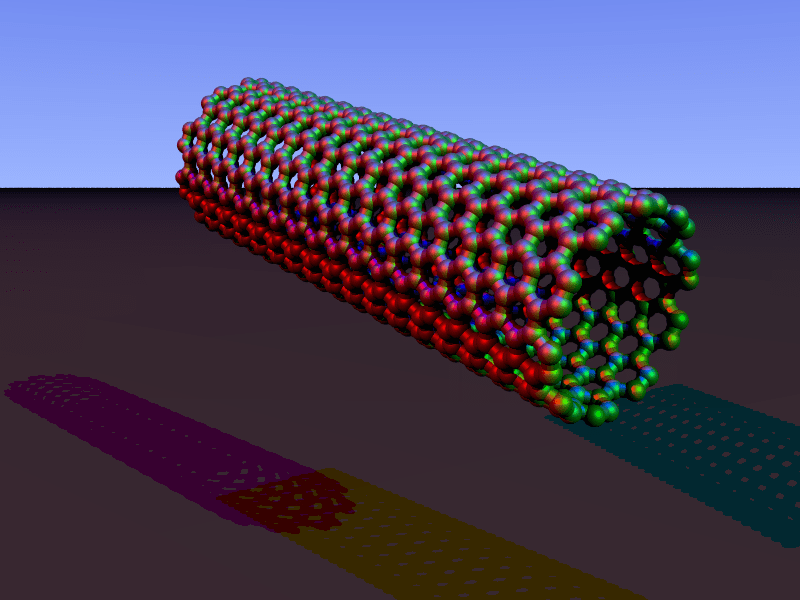
Nanotechnology is rapidly growing field that is proving that very tiny things can have a huge impact. With this podcast, we talk about the impact Carbon Nanotubes can have on our society, and why they are being so heavily researched. Be sure to listen to Part One about Graphene. This podcast is hosted by  Graham Grable.

The Manifold Attractions of DNA Origami

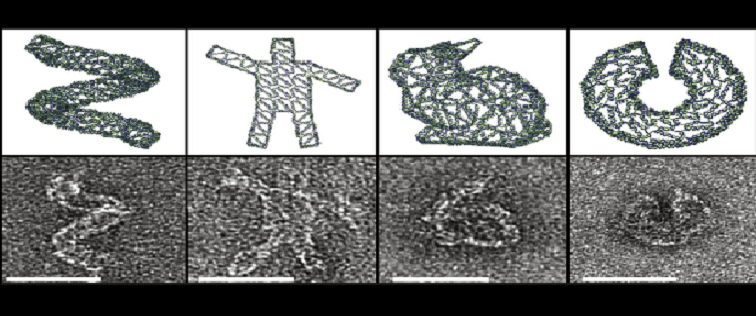
Origami is a craft that transforms the simplest materials into intricate works of art. Precise folds and careful planning draw fantastic creatures from an otherwise unremarkable sheet of paper: cranes, dragons, lilies, and…scaffolds for complex nanomachinery? Through careful engineering and clever implementation of standard molecular techniques, scientists have found a way to fold long DNA

Scroll to Top