With over 2 million species on this planet, adaptation is a crucial part of species survival. Adapt or fail, if you will. With some species, this means becoming more generalist, while for others, this leads to niche specialization. These adaptations, or modifications even, have both inspired human technologies and led to advancements in human medicine. Wetsuits were inspired by sea otters, antibodies from llamas inspired antiviral nasal sprays, and clawed frogs have helped us understand how specific genes contribute to autism. While these inventions are now widely used, there is new research on the horizon, with researchers looking to cavefish and nectivorous bats to unlock their secrets on specializations for low-quality diets that could treat human metabolic disorders.
A 2023 study (Chew et al 2023) found that from 2009 to 2019, prevalence rates increased globally for all metabolic diseases, which included diabetes, heart disease, and stroke. Broadly described as metabolic syndrome, these diseases can be caused by both genetic factors as well as low-quality of diet and exercise, with the majority of symptoms linked to organ damage due to high blood sugar and obesity. Up until now, research has mainly focused on treating the symptoms of these diseases or increasing the quality of diet and exercise to prevent the onset of disease, with very little headway on helping those with genetic factors contributing to disease onset, such as Type 1 diabetes. But what if we could change that, and looking towards the animal kingdom, find solutions to these disorders?
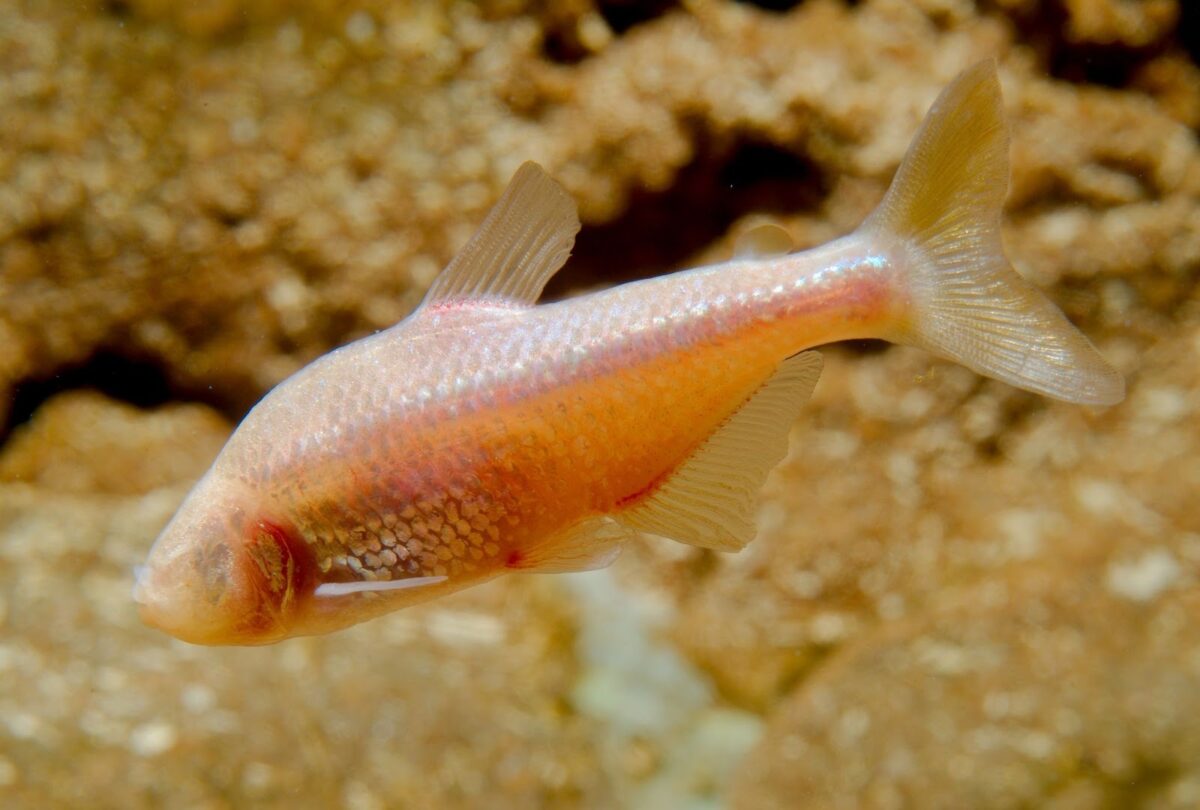
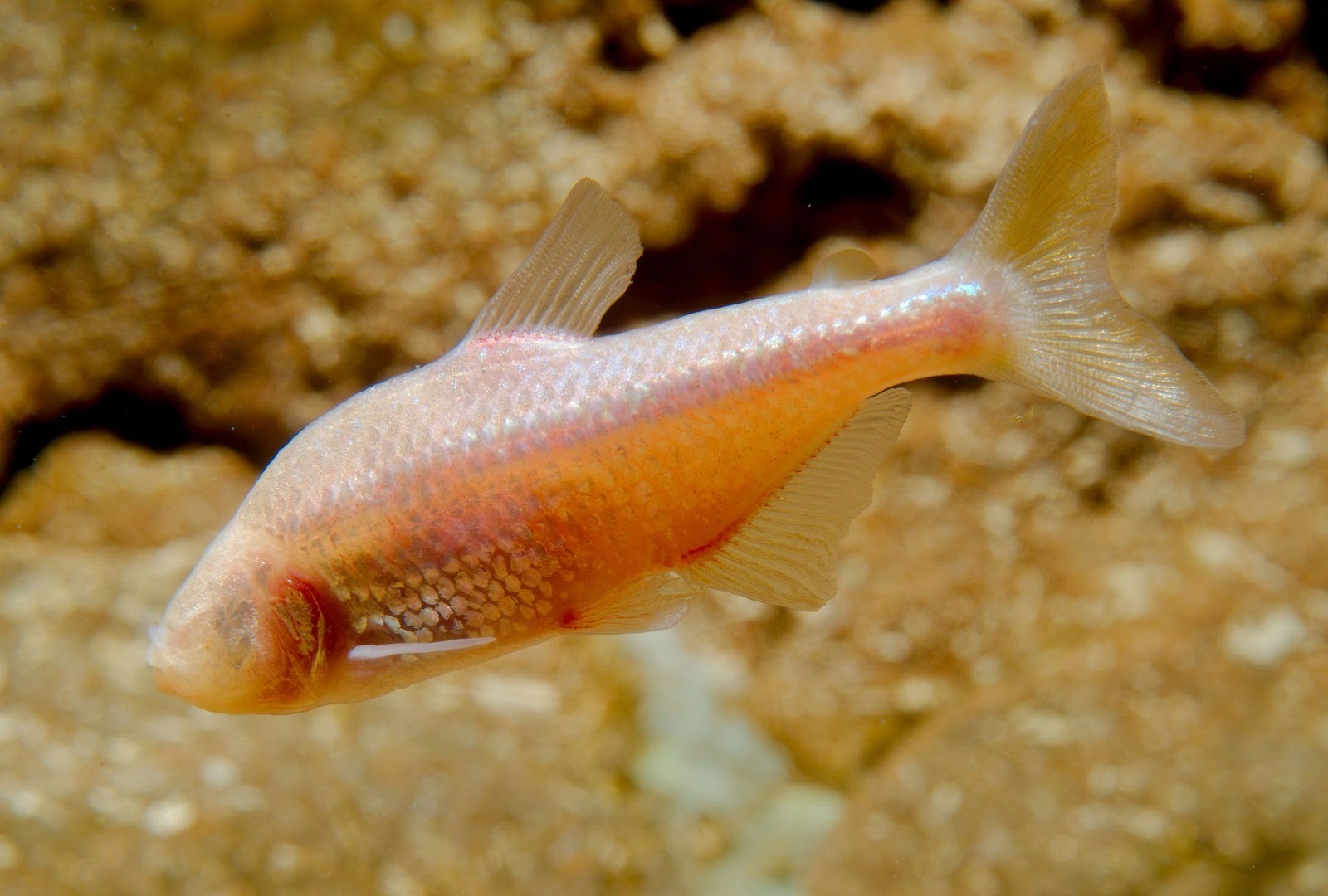
Cavefish offer a unique model for studying metabolic disorders, due to their adaptation to survive in environments with infrequent food availability. The Mexican tetra (Astyanax mexicanus) is a blind, translucent cavefish that lives in underground caves completely devoid of sunlight. They have developed a unique adaptation to conserve energy by not using eyesight, through a process known as pleiotropy, where the genes for eye development are reassigned to more energy efficient activities such as the number of taste cells for finding food. These subterranean caves are fully sequestered from outside resources for the majority of the year, causing prolonged periods of starvation. During the springtime, seasonal flooding causes surges in food supply, such as worms and algae, during which time they consume and store enough nutrients to last until the next flood which might not occur for an entire year.
The Tabin Lab, at Harvard University, has found that these cavefish have mutations in the same gene as people with insatiable appetites, as well as slow metabolism. These are normally considered harmful in humans, yet the altered gene allows cavefish to eat as much as possible during these flood periods and use the fat deposits until the next flood comes. These fish are also insulin resistant, similar to Type 2 diabetes, which causes low glucose absorption due to a lack of insulin response to hormones. Insulin resistance in humans often causes damage to the pancreas due to overwork, as well as high blood sugar and excess fat storage. These cavefish carry the same genetic mutation found in people with inherited forms of severe diabetes and experience similar dramatic spikes and crashes in blood sugar after eating. Yet they remain healthy without the consequences humans suffer, such as nerve and organ damage, and potentially the glucose dysregulation seems to benefit them (Riddle et al 2018). These genetic mutations may offer researchers the opportunity to create new solutions for metabolic disorders.
While cavefish have shown one avenue of solution, another species entirely has seen increased interest due to their own specialized adaptations. In a new study by Jasmin Camacho at the Stowers Institute, nectivorous bats were found to have the highest naturally occurring blood sugar concentrations ever observed in mammals, a level that would be lethal in most other animals. This suggests that these bats have evolved genetic traits to use this extreme trait.
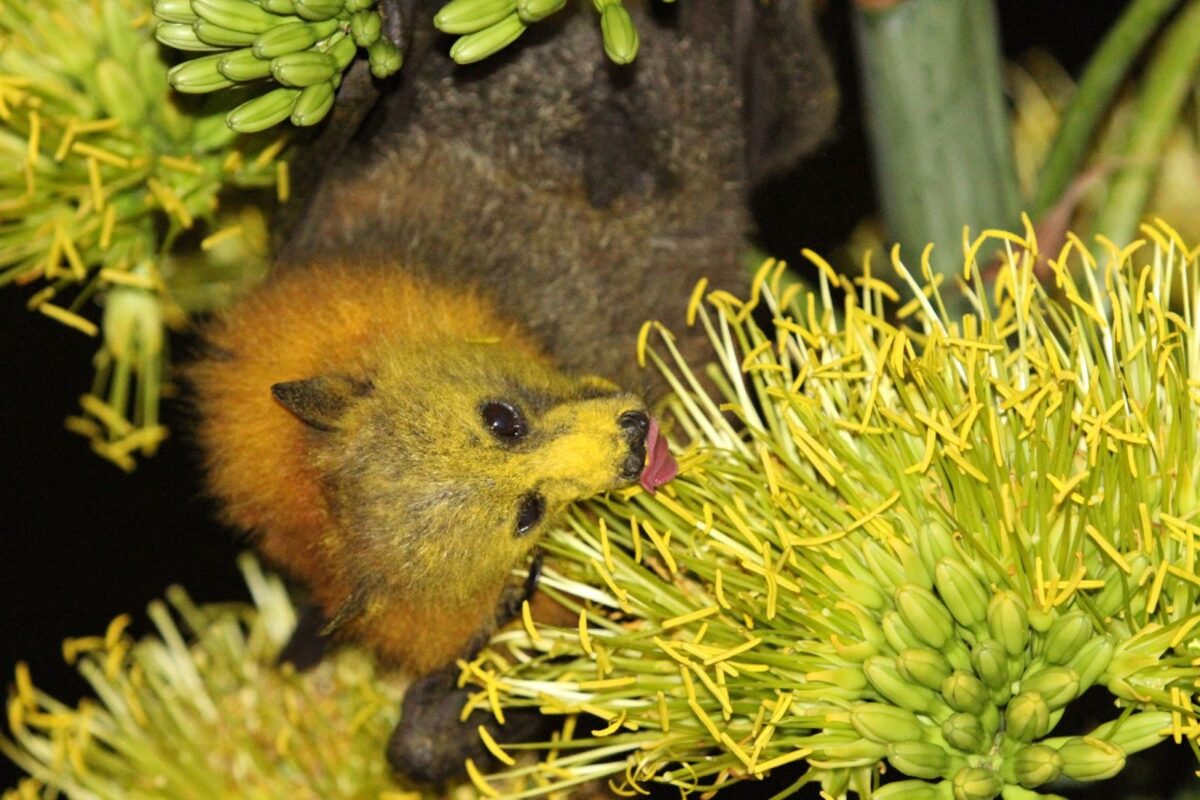
Grey-headed Flying Fox
https://www.flickr.com/photos/ajmercer/14848028215/ CC BY-NC-SA 2.0
Over several years, Camacho and colleagues captured over 29 species of leaf-nosed bats throughout Central and South America. These species were used because leaf-nosed bats have adapted to a wide range of diets over time. Once captured, they performed glucose tolerance tests measuring the blood-sugar levels after a single feeding of one of three sugars, each associated with a diet of insects, fruits, or nectar to determine the different adaptations used to process, store, and use sugar in the body.
What they found was that different species of leaf-nosed bats use a variety of adaptations to maintain glucose homeostasis. Focusing specifically on the pancreas and the kidneys, Fruit bats have extremely effective insulin signaling pathways, due to higher numbers of pancreas cells able to produce insulin compared to insect diets, bringing their sugar levels down to normal within a half hour of their meal (Gordon et al 2024).
Nectivorous bats will forage for up to 800 flowers a night, eating their body weight in sugar, tolerating very high blood sugar levels similar to people with unregulated diabetes and have a continual expression of genes responsible for sugar transport. Both fruit and nectar bats were observed to have longer sections of intestines, and their intestinal cells have greater surface areas, making them more efficient at absorbing nutrients from food, compared to bats with insect diets.
Perhaps most relevant, they found nectivorous bats use an insulin-independent pathway for glucose uptake. In humans, insulin binds to receptors on cells to allow for glucose uptake. In these bats, glucose uptake is actually facilitated by muscle contractions and alternative glucose transporters. Even more interesting, the muscle tissue produces proteins that rapidly break down glucose and store it as triglycerides, meaning that glucose is being directed towards fat production rather than sugar storage (Camacho et al 2025).
Both cavefish and nectivorous bats challenge our previous knowledge of metabolic disease, showing that insulin resistance and high blood glucose can occur without being inherently harmful. These species offer incredible adaptations allowing them to not only survive, but thrive in physiological conditions that are incredibly harmful for humans. By continuing to study these species, research efforts gain insights on alternative pathways for metabolic disorder management, including the genetic mutations involved in the alternative insulin pathway for nectivorous bats and high blood glucose tolerance in cavefish. As diabetes and other metabolic disorders continue to rise across the world, these unconventional models provide a roadmap for innovative treatments that move beyond symptom management toward fundamentally rethinking how the human body can process and tolerate glucose.